Various locations
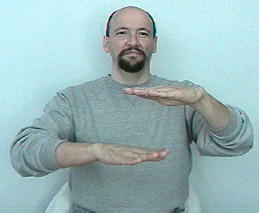
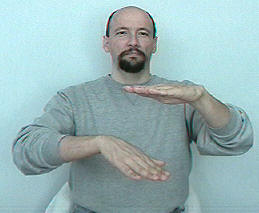
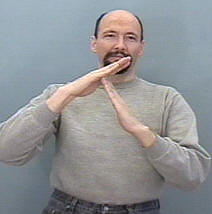
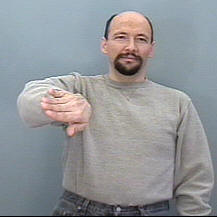
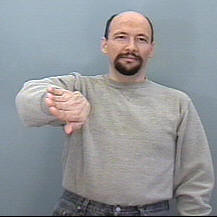
To sign "bottom" hold the dominant hand about six inches below the non-dominant hand. The non-dominant hand doesn't move. The dominant hand does a down-up-down patting movement. The movement is in the wrist. Think of "patting the bottom of a box."
Some people "circle" the dominant hand, but to me that means "below/basic/beneath."
BOTTOM:
Compare: "BASEMENT"
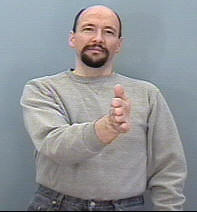
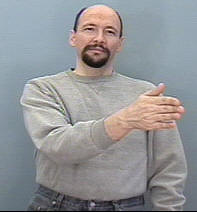
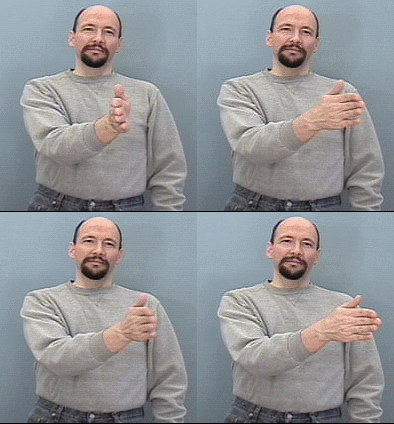
To sign "top," form both hands into flat hands. Hold the non-dominant hand (generally) vertical. Then use the dominant hand to pat the "top" of the non-dominant hand twice. In my example below I wish I had held my left hand a bit more vertical, but then again this might be a good time to point out that there is a "citation" version of a sign (the full, pretty, complete, carefully enunciated version) and the "casual" (sloppy, half-formed, lazy) way that most of us Deaf actually do sign on a daily basis.
TOP:
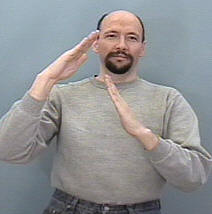
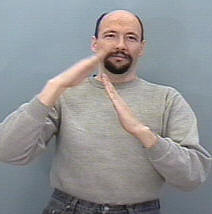
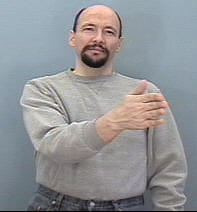
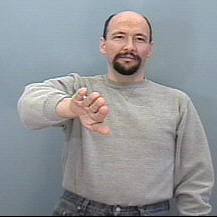
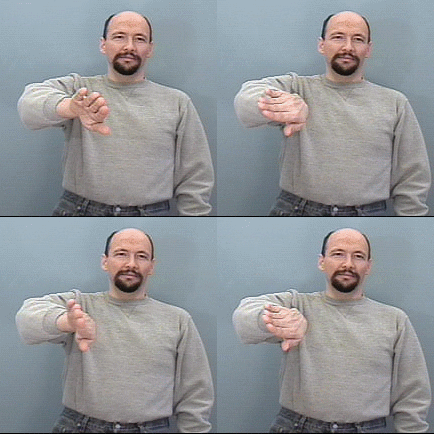
"on the LEFT side"
The movement for this sign is similar to patting a wall on your left. Pat it twice with your fingers. The movement is in the wrist (not the arm).
Click for an for an animation of: "on the left side"
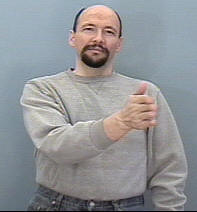
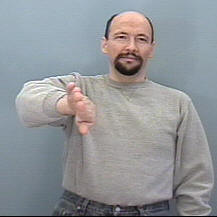
"on the right side"
The movement for "on the right side" is as if you were patting a wall on your right. It is an awkward little sign but it still the one we use.
Animation: "on the right side"
Also see: RIGHT
Notes: