There are many ways to express in American Sign Language the concept of talking or speaking.
Which version gets used depends on context and intended meaning. Also not
all signers prefer the same sign for specific concepts.
The right sign for "talk" depends on your meaning.
If you mean "talk" as in "He was talking," then you can use the general sign
for "talk" that uses a "4"-hand and taps the chin twice.
TALK / "TALK-(speaking)
/ "talking" [generally means "talking with voice"]

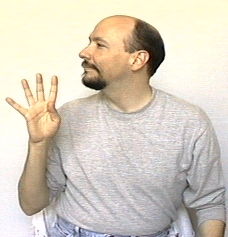
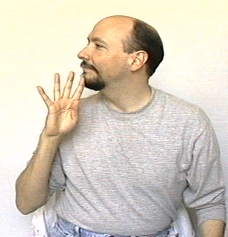
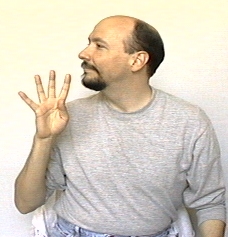
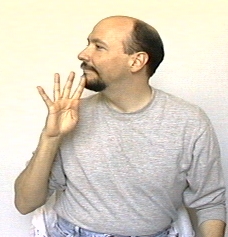
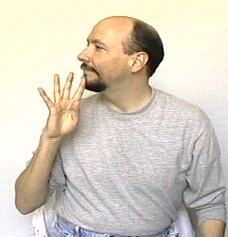
Sample sentence: Is talking with your voice permitted in this class?
Another common version of the general sign for talk is:
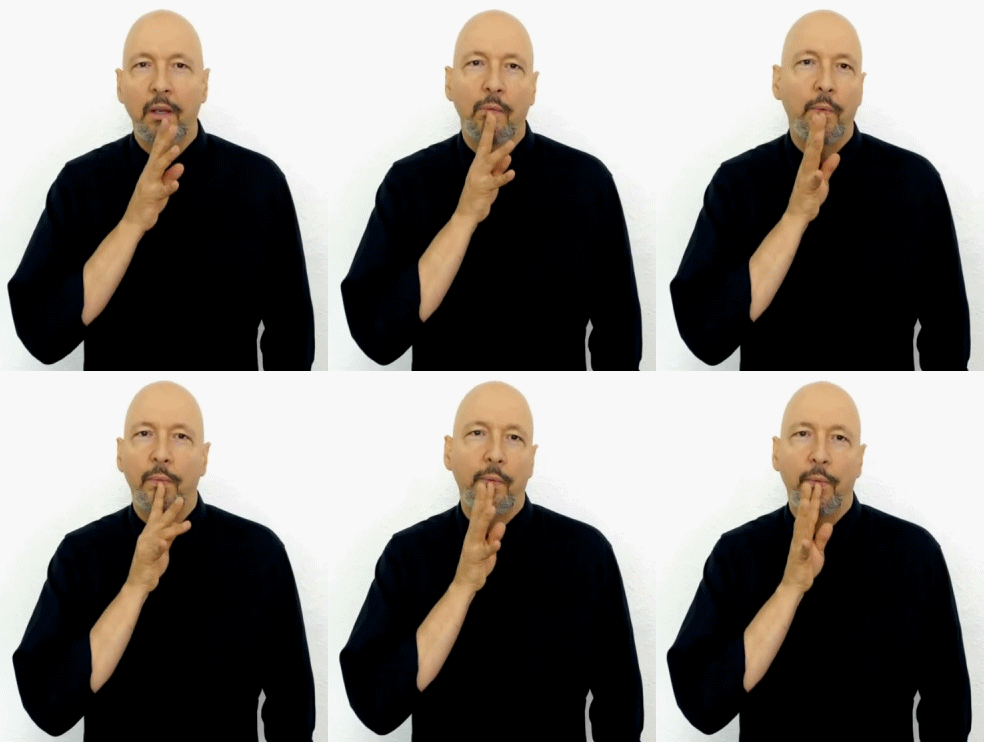
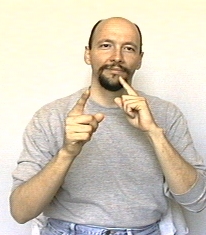
If you mean "talk" as in "They were talking to each other last night" you
can use the version of "talk" that I refer to as "TALK-with." This
means to have a dialog. While this sign also leans toward voiced (non-Deaf)
communication this version is worth learning because it is the basis of many
other signs such as "communicate," "interview," "total communication" and
other related concepts.
TALK-with / dialoging / talking back and forth

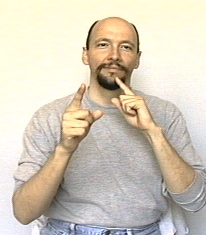
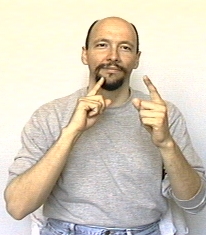
Here is a "side view" of "TALK-with." (Either that it could be or a front view of "I was talking with him.")
TALK-with (side
view)
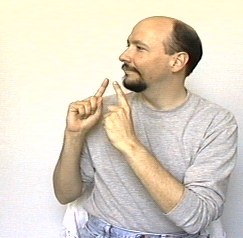
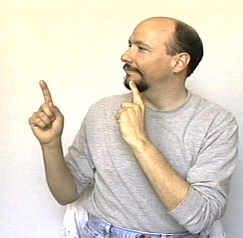
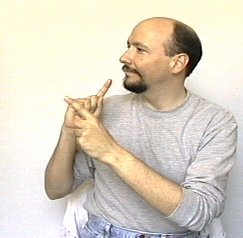
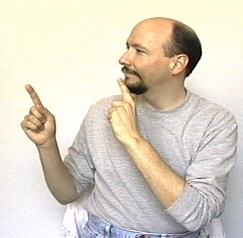
Note: You can initialize this sign with "i" handshapes to mean "interview." See: INTERVIEW
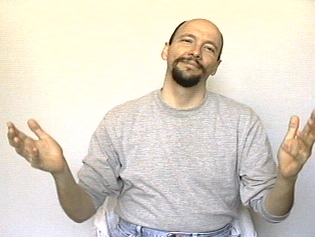
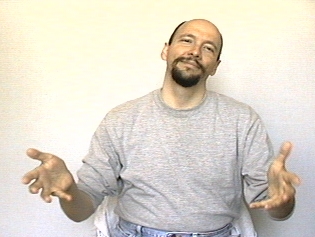
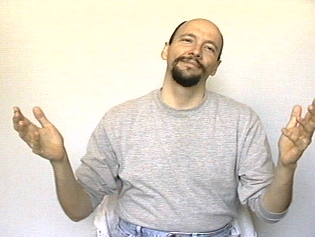
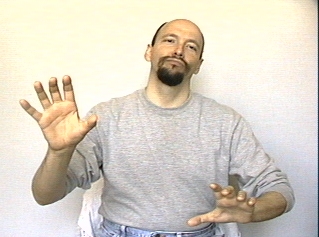
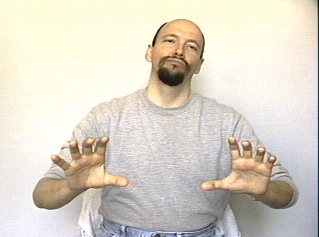
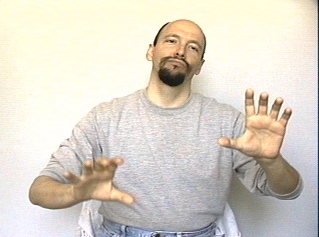
If you mean "talk" as in two or
more people were "chatting" you can sign, "chat."
This version is a good one to use when referring to two or more Deaf people
talking to each other.
Sample sentence: Do you like to chat with Deaf people?
CHAT (version)
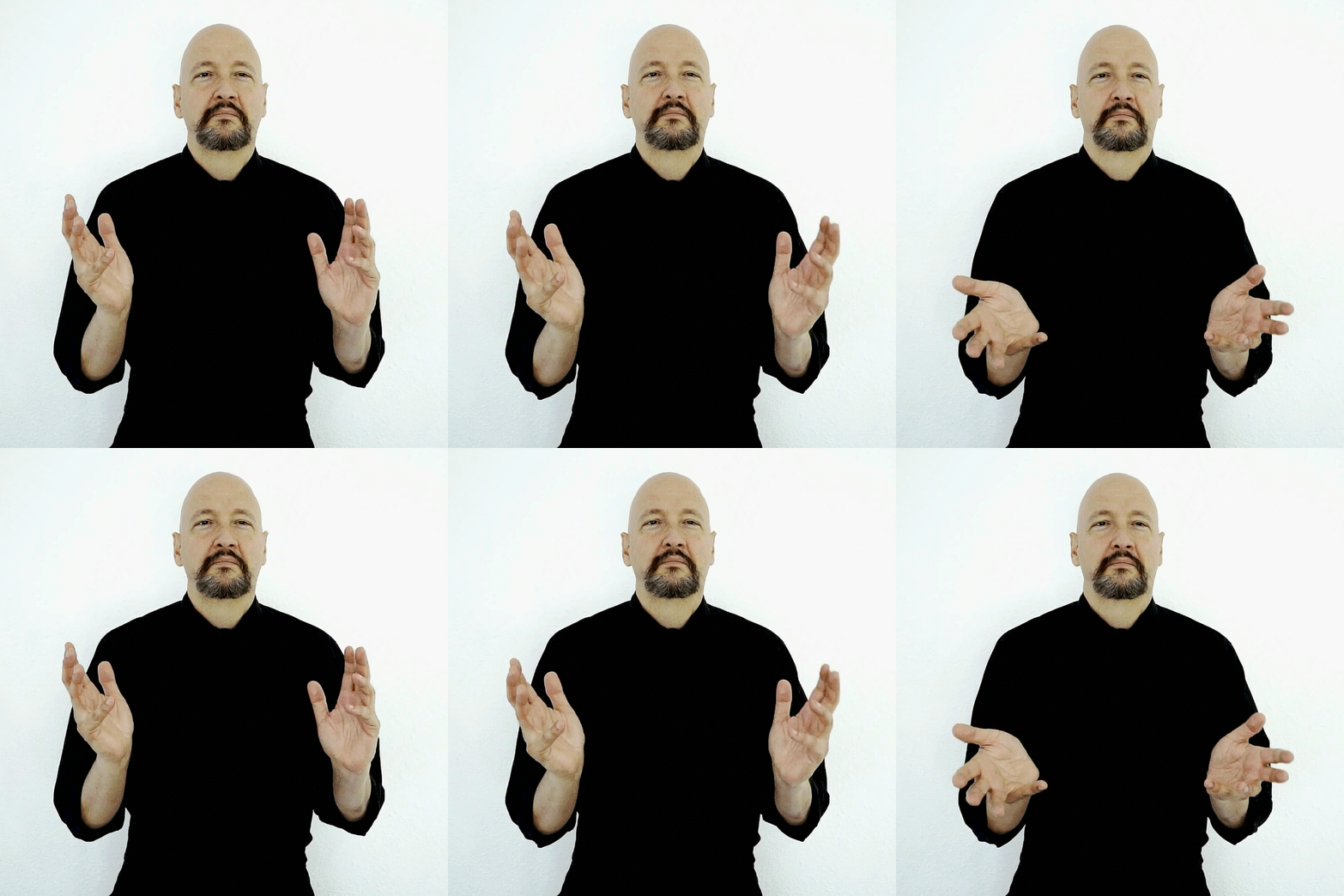
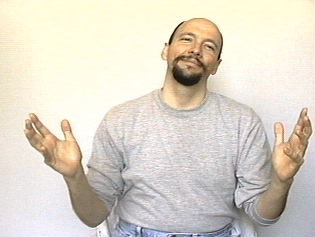
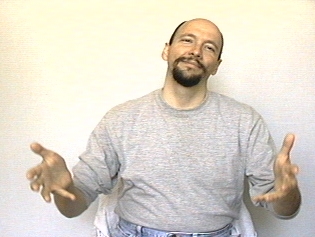
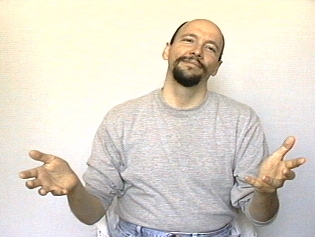
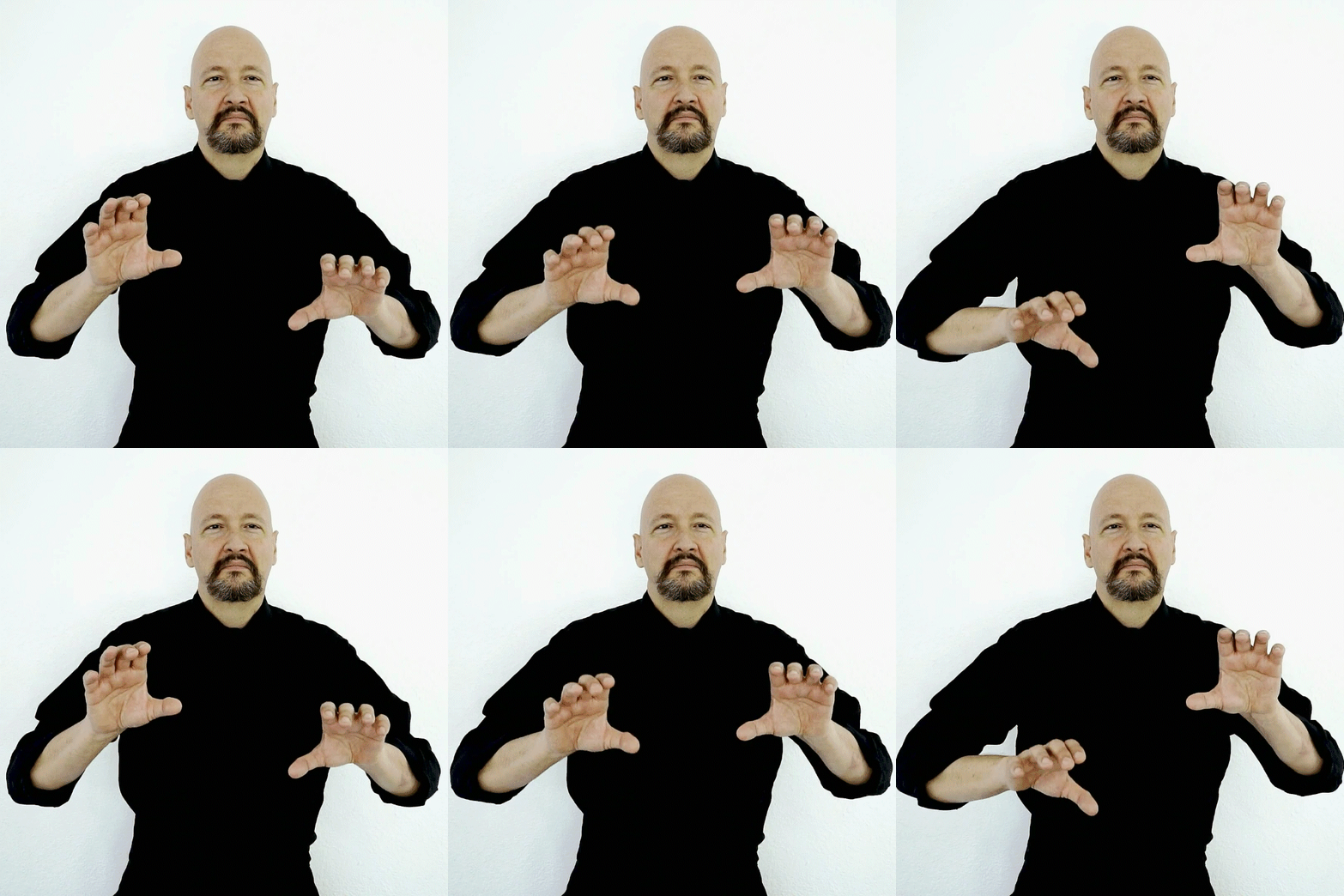
There is another common way to sign "chat." This other version uses an alternating
up and down movement. This is a good version to use in reference to Deaf
people socializing, "talking," or chatting.
CHAT (version 2) / socially chatting with one another / two or more people
talking casually
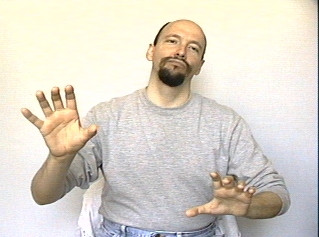
For some notes regarding the sign for "chat" see the "chat" page at: CHAT
Also see:
TALK-WITH
See: CHAT
See: HERMIT-("Talking to yourself")
Use the wiggle version whenever you need to convey a meaning "ongoing talking" /
a stream of words coming forth.
She kept talking. She talked at length. The woman was talking on and on about
her favorite topic.
In ASL we also see the both "wiggle" version of TALK and the double tap version
used in referring to the ability to speak.
In ASL the "wiggle" version of TALK is very commonly used to refer to the
process of an interpreter voicing a message.
A single "tap" of the sign TALK generally means you are using it as a verb form
of "talk" but t he rest of the sentence is important in deciding the exact
meaning of the single tap version of TALK.
Also, if you use TALK in a compound (for example "SWEET-TALK") the sign TALK
will tend to reduce to a single tap version. Another common of movement
reduction is the "TALK-ABOUT" sign.
Use a double tap version as a gerund (or in other words as a noun formed by a
verb) or an infinitive "to talk." For example:
"IF YOU VOICE AROUND HEARING PEOPLE THEY TRY TALK YOU." (Uses the double tap
version.)
In real life, from real signers you will see quite a few people use the sign
"TO" after the one-tap version of TALK. (I personally don't teach that structure
to my students but it is "out there.")
Often to mean "talk" you should use a totally different sign.
If you mean talk as in to share comments about something then use the basic
"STORY" sign (done small and casually using "open-F" > "F" handshapes or
"open-8" > "8" handshapes).
If you mean talk as in discuss something then use the DISCUSS sign.
If you mean talk as in communicate then use the COMMUNICATE sign.
If you mean talk as in two or more signers having a chat then use the CHAT (chat
with) sign.
If you mean to talk back and forth in a way that each person is presenting ideas
and concepts and then use the INTERFACE (back and forth) sign.
If you mean talk as in give a talk or a speech then use the "LECTURE / give a
speech" sign.
If you mean talk as in "talking to myself" then use the HERMIT sign.
If you mean a lot of random talking going on then use the two-handed, raised
hands, open-close (clam like movement) loose-C > closed-C, sign.
Notes:
Tip: Just because you see or learn a specific version of a sign from your
teacher or a book doesn't mean your teacher or the author knows only one
version of a sign. Most teachers and ASL authors know multiple
versions of common signs.
Here's an example of using a double tap version of talk in the phrase
"I can talk." See: See:
https://youtu.be/5ynzLzdjcIQ?t=150 (around the 2:30)
moment.
For example see: https://youtu.be/tfmAblNvr8E?t=128 for an example of the
double tap version being used as part of the term "Google Talk."
Or see this example of "talk to" as in "talking to horses"
https://youtu.be/_7qzJW9DU4s?t=230 (then back up to the 3:30 mark for a bit
more context).
Or this example of the term "spoken" (around 2:15 or so)
https://youtu.be/32oTN0XBKSA?t=130
Or see https://youtu.be/QRiCWNhDHYk?t=431 for an example discussing the
ability to talk.
Or see: https://youtu.be/5MHIAFXYoGw?t=514 for yet another "double tap"
usage.
Here's a skilled interpreter using a multi-tap version of TALK:
https://youtu.be/YGpjHzIAJcQ?t=190
Notes: