American Sign Language: "than"
The sign for "than" is connected to quite a few other very similar signs. This page discusses:
thanless than
less
more-than
limit
equal
maximum
minimum
too-much
Also See: EQUAL
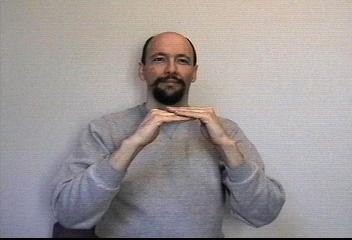
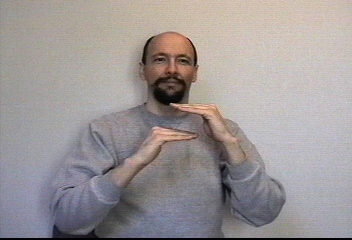
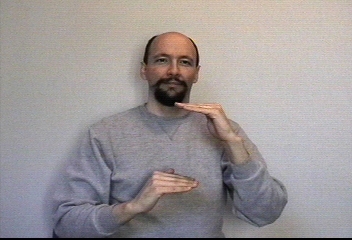
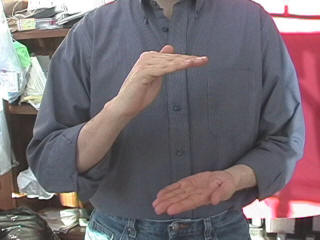
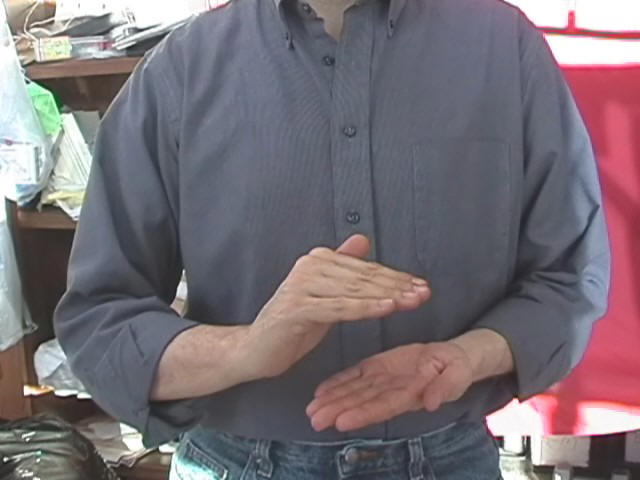
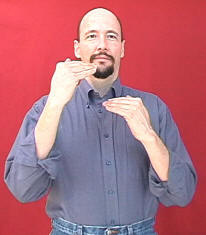
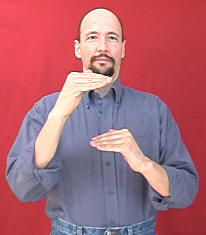
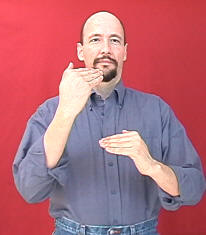
THAN: Your dominant hand (which is the right hand for most people) moves down past your non-dominant hand. The dominant hand whacks the tip of the non-dominant hand a bit while moving downward. The non-dominant hand doesn't move.
(174) LESS-THAN
"below that amount" "from there on down"
The non-dominant hand doesn't move. The dominant hand starts under the non-dominant hand and moves downward.
(175) LESS:
The non-dominant hand doesn't move. The dominant hand moves downward toward the non-dominant hand.
The shape of the dominant hand can either be bent or flat. The shape of the non-dominant hand can be either flat or bent a little.
(176) MORE-THAN
"Over that amount" "above that amount" "exceeding" "above and beyond" "from that point up"
The non-dominant hand doesn't move. The dominant hand starts on top of the non-dominant hand and moves upward.
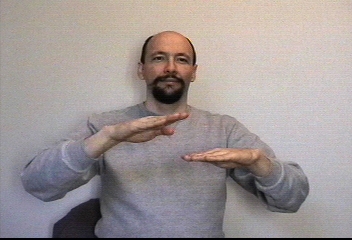
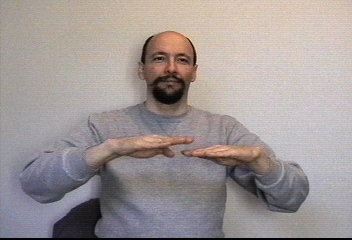
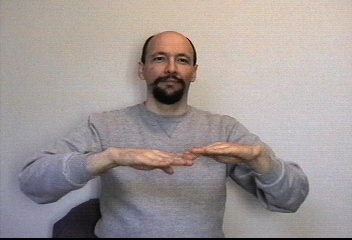
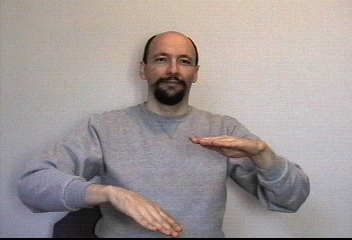
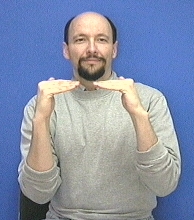
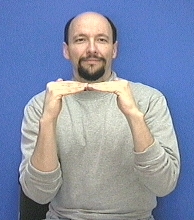
(177) LIMIT:
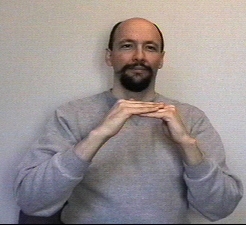
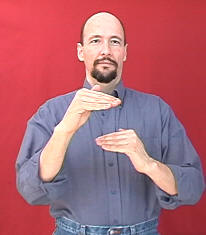
Both hands pivot (slice) forward:
Also see animation: LIMIT (if you can view .wmv format)
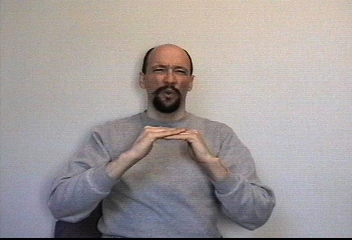
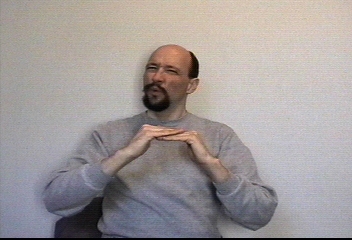
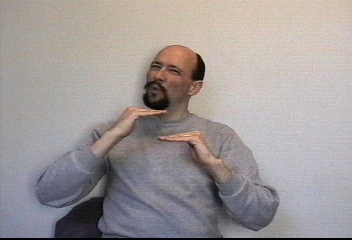
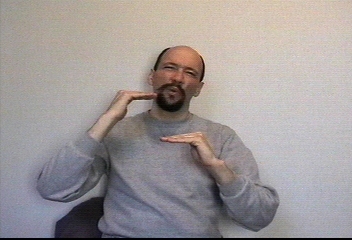
(178) EQUAL
(179) MAXIMUM:
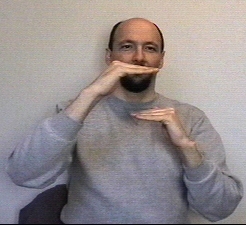
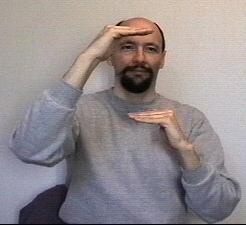
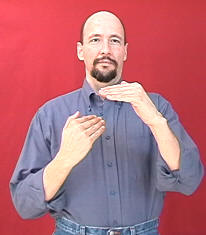
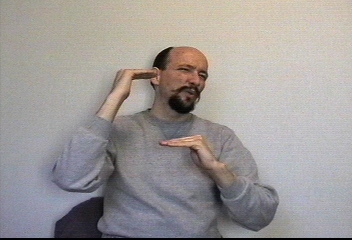
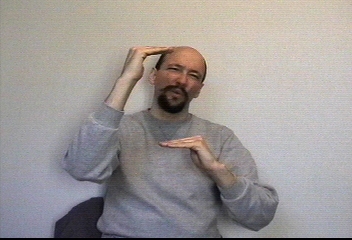
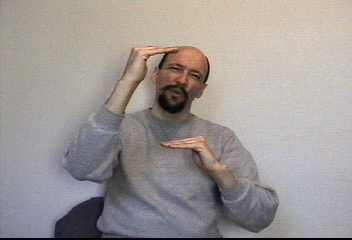
Only the dominant hand moves. Start with the dominant hand a bit above and behind the non-dominant hand. Then bring (or twist) the dominant hand forward with a firm stop.
NOTE: there is another version of this sign where the non-dominant hand is on top and the dominant hand moves up and smacks the bottom of the non-dominant hand as if showing "hitting a ceiling."
(180) MINIMUM:
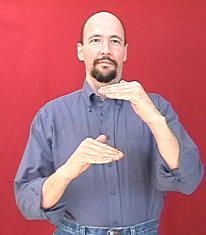
Only the dominant hand moves. Start with the dominant hand a bit below and behind the non-dominant hand. Then bring (or twist) the dominant hand forward with a firm stop.
(181) TOO-MUCH!
This sign is similar to "more than" but the nonmanual marker (body language) is one of a negative headshake, and "ooh" mouth morpheme, and squinted eyes. Also, the dominant hand travels in a backward arc as it moves upward.
Also See: EQUAL
Notes: