American Sign Language: Possession
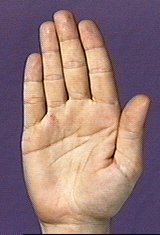
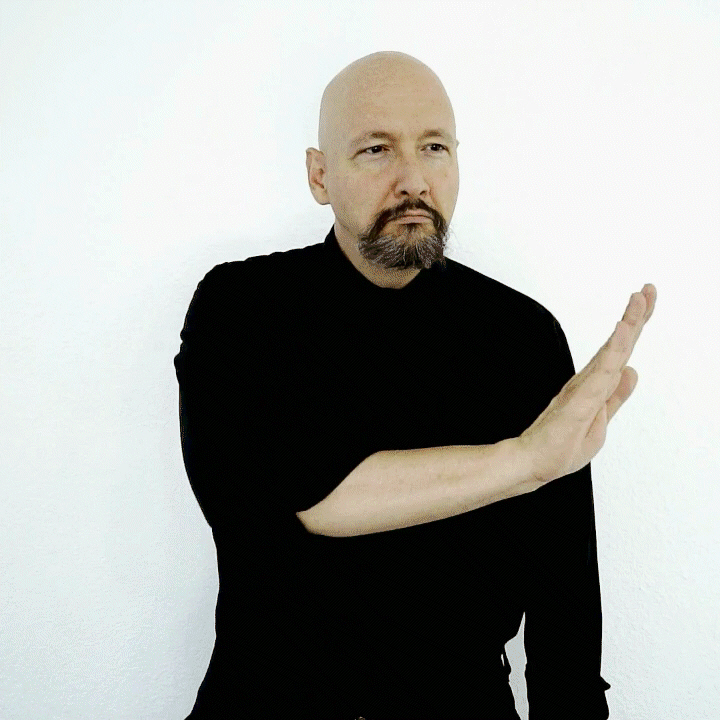
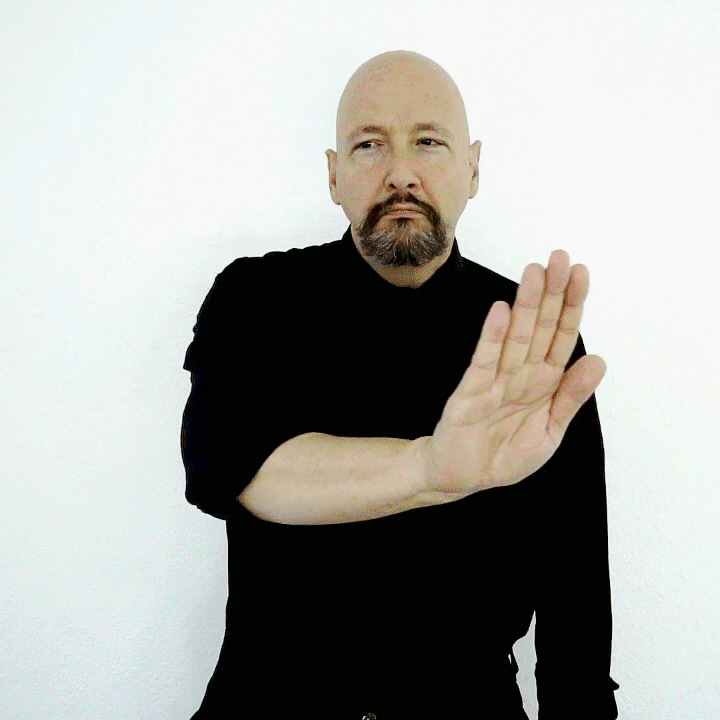
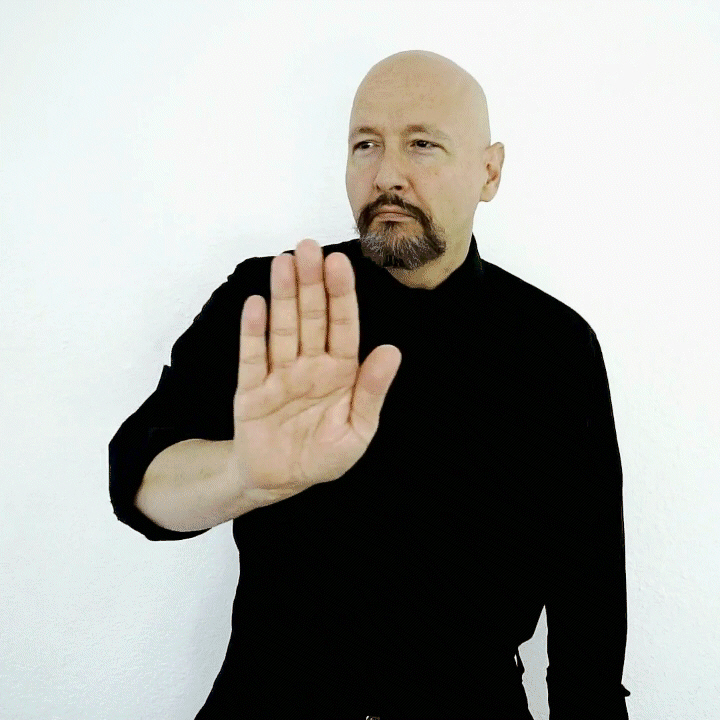
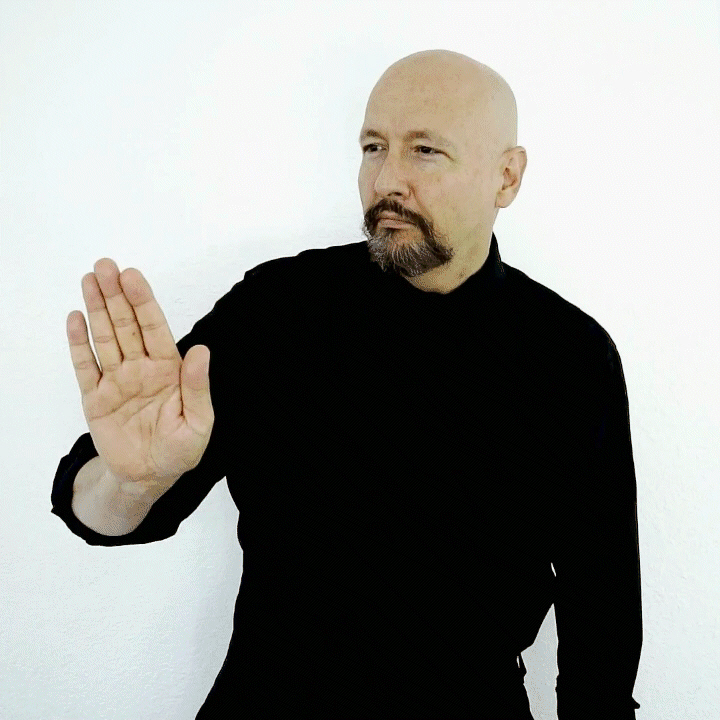
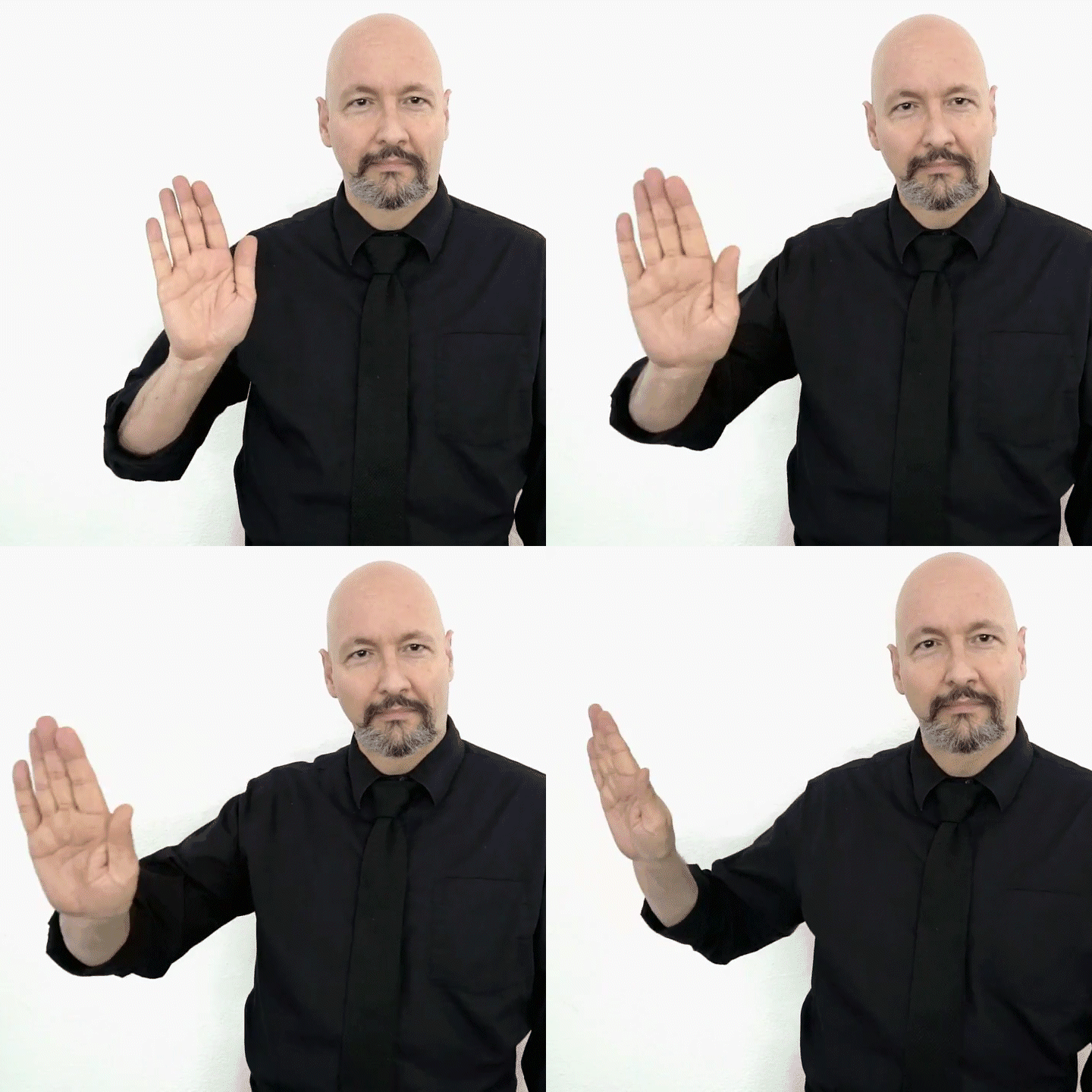
In American Sign Language, personal pronouns (me, she/he, you, us, them) can indicate possession by changing the handshape from an index finger to a flat hand (a version of a "b" palm).
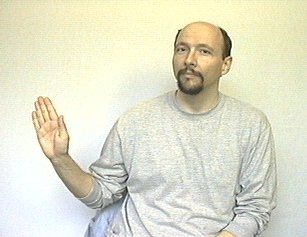
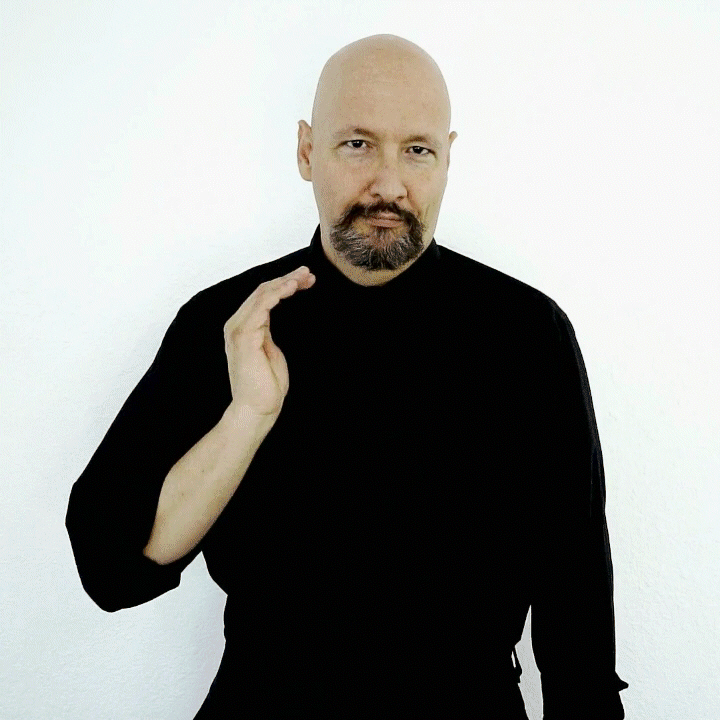
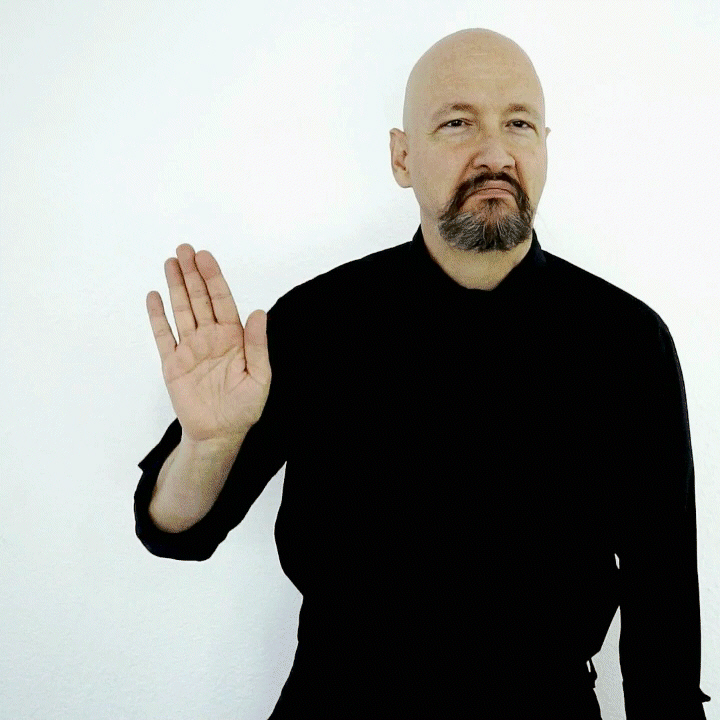
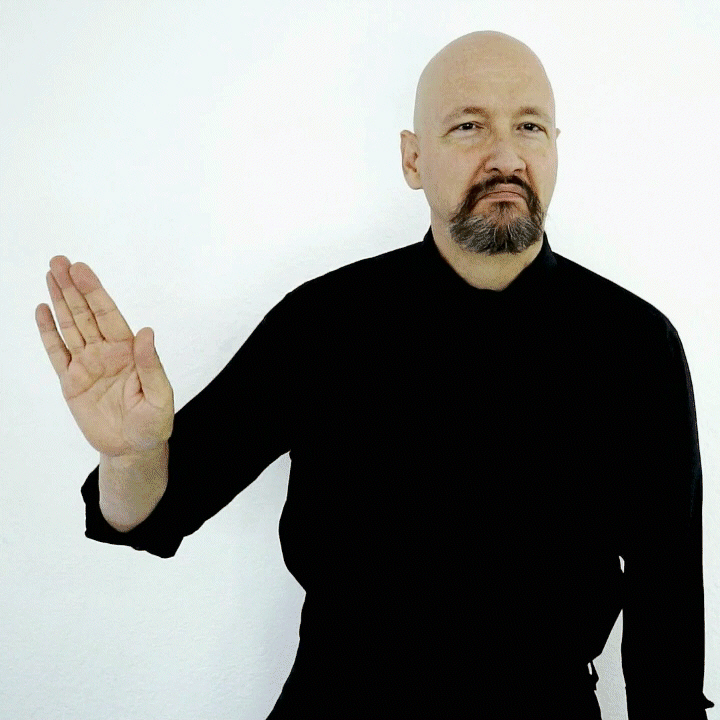
The palm should face toward the person or thing that is doing the possessing.For example, the sign for "you" when done with a "b" palm, fingertips up, palm toward the person, means "your."
Other examples:
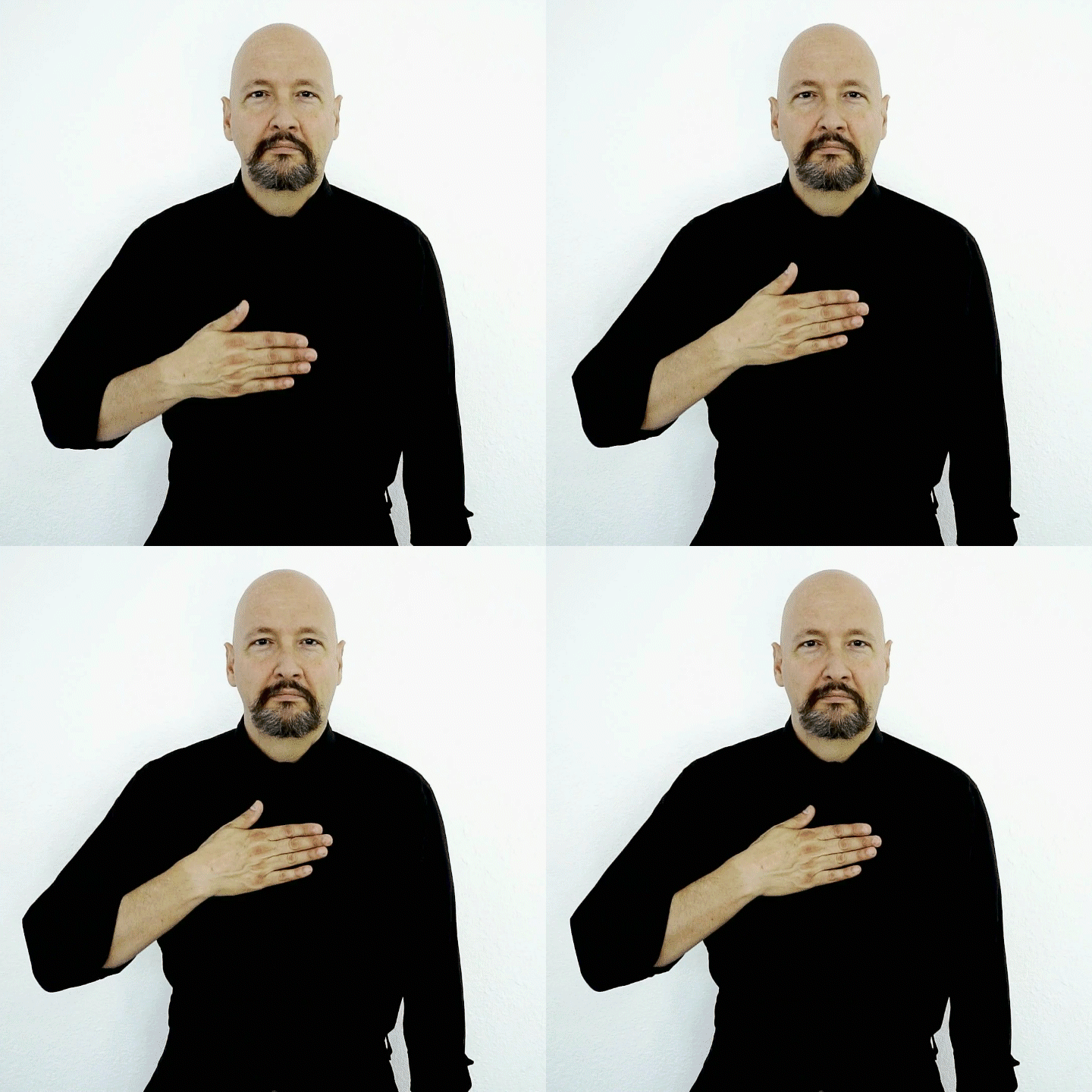
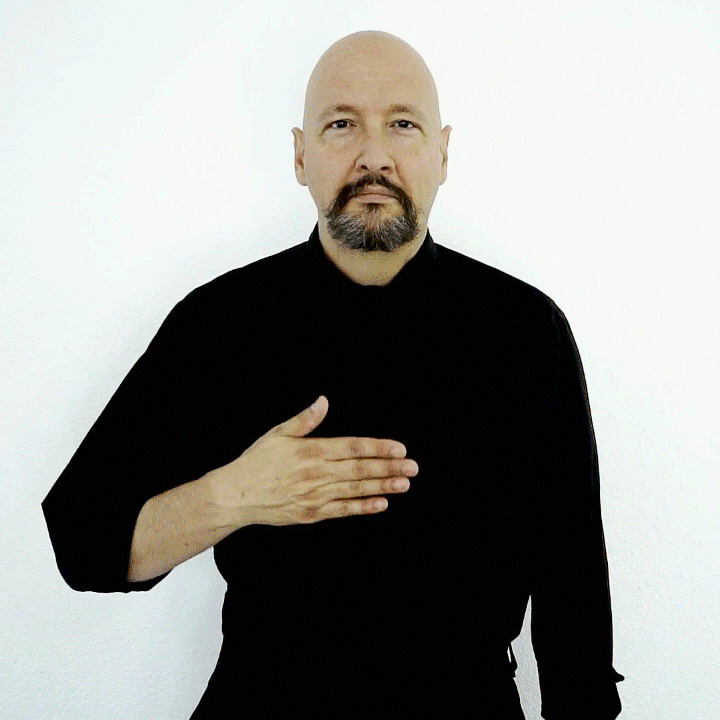
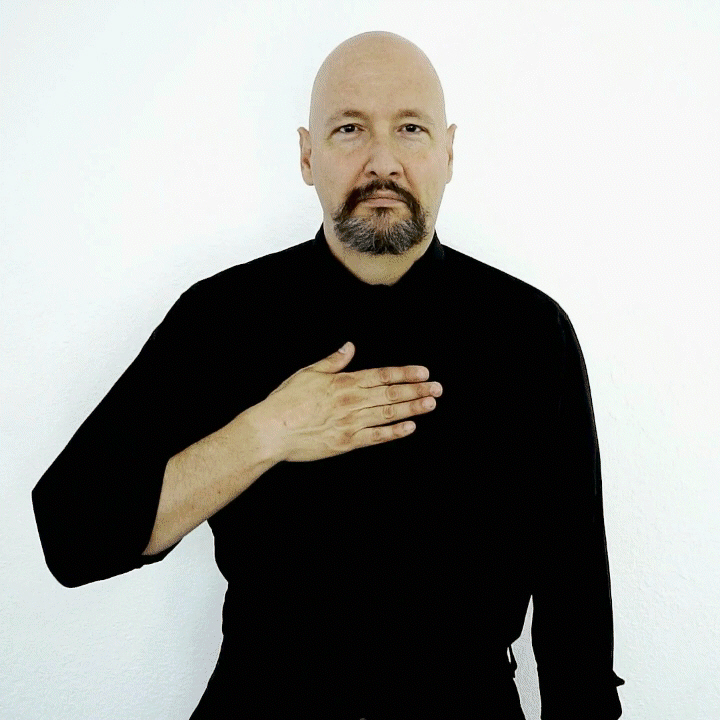
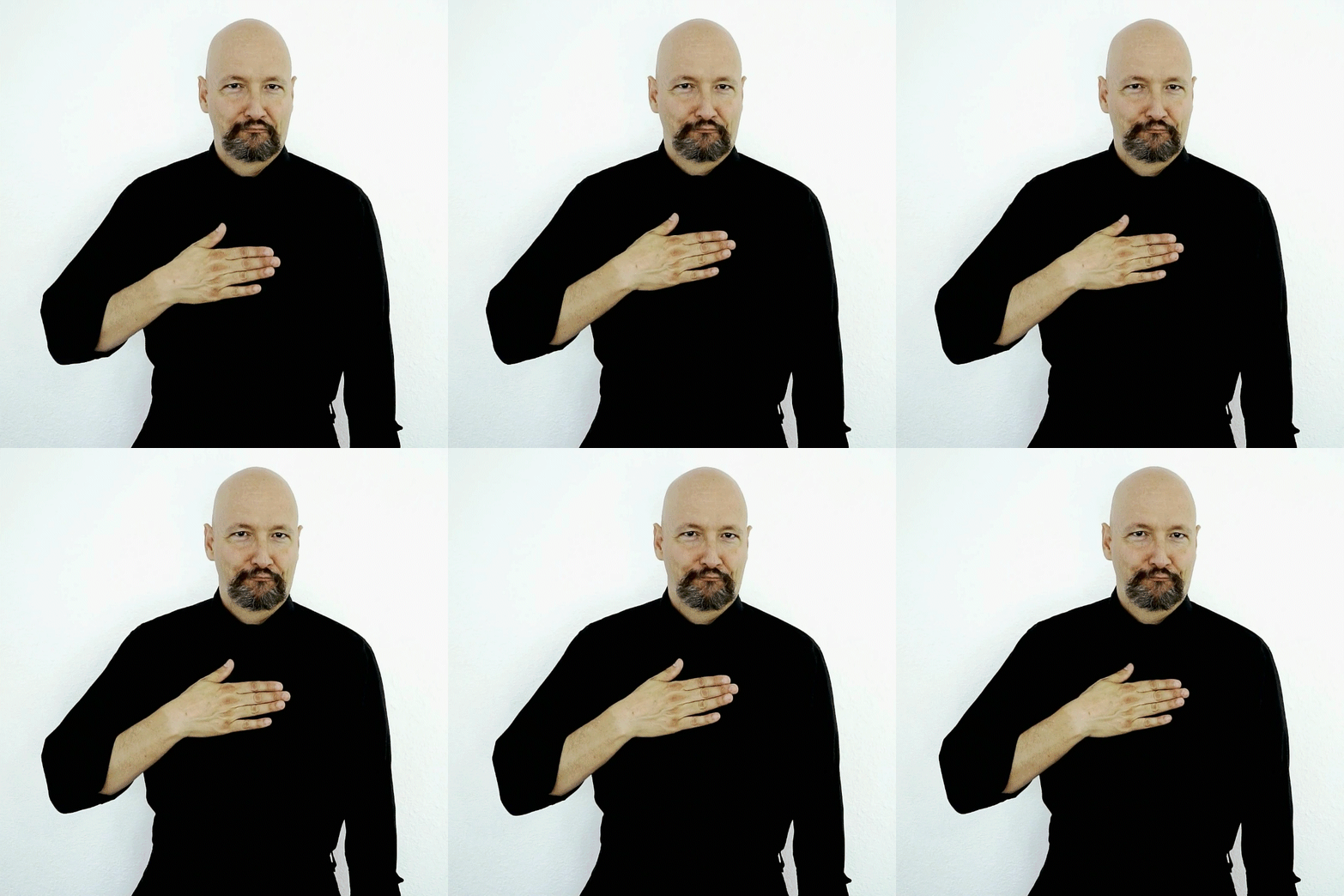
- mine: flat hand on chest
- his: palm toward the person
- hers "b" palm toward the person
- their (singular) toward a person of unspecified gender or toward a group
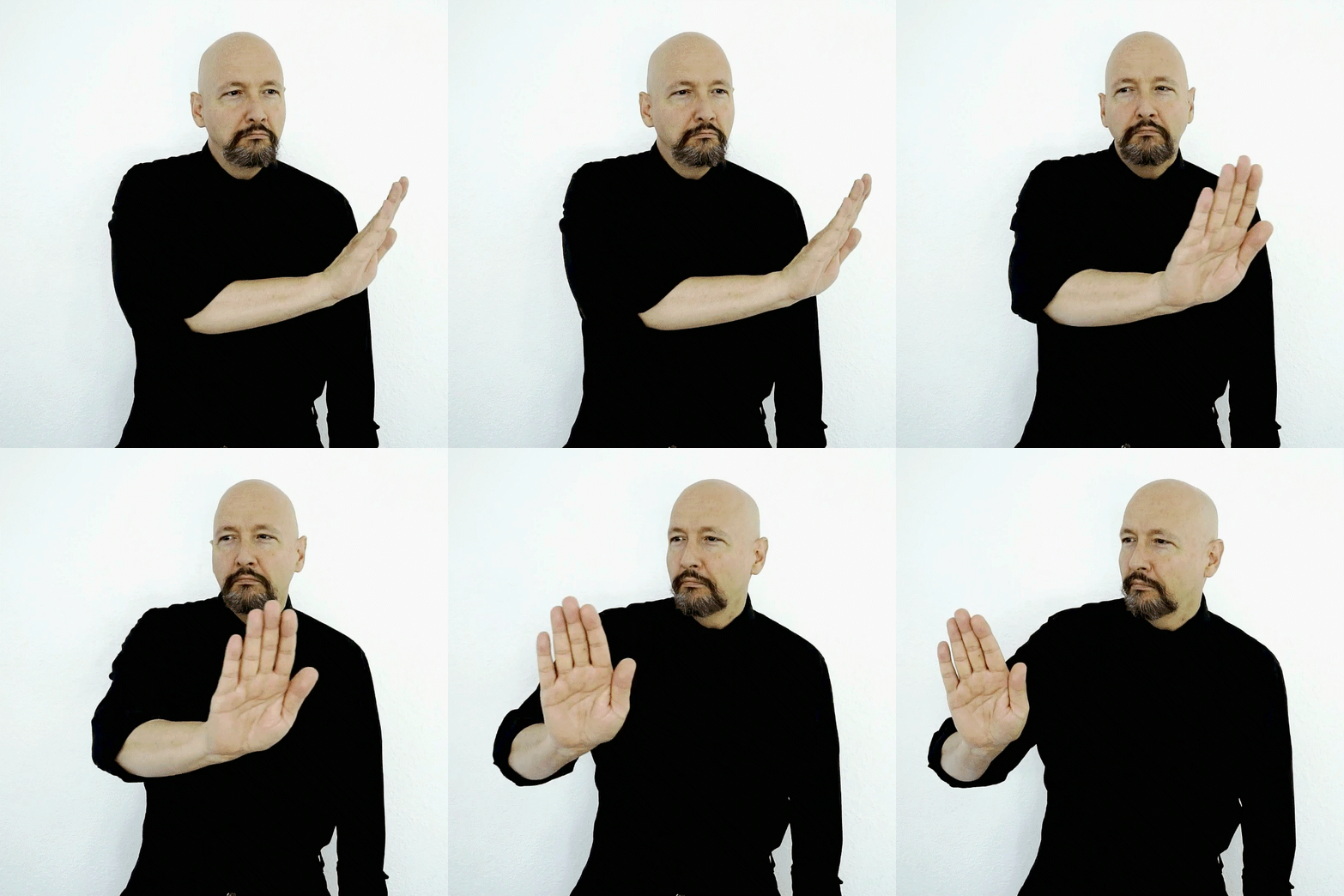
- belonging to multiple individuals: point the palm toward the individuals and sweep the palm horizontally. (Similar to signing " all of you" except doing it with a palm instead of an index finger).
Review:
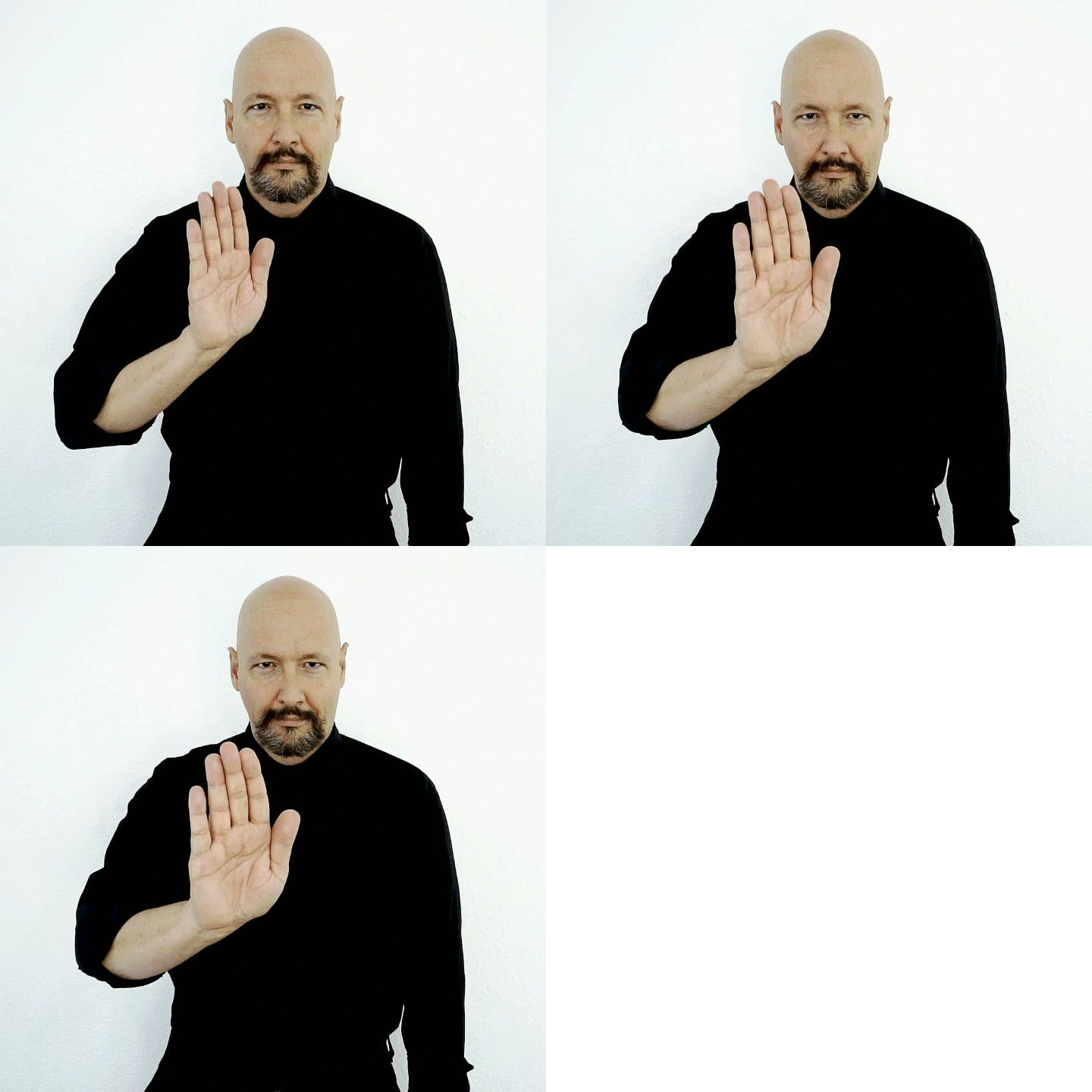
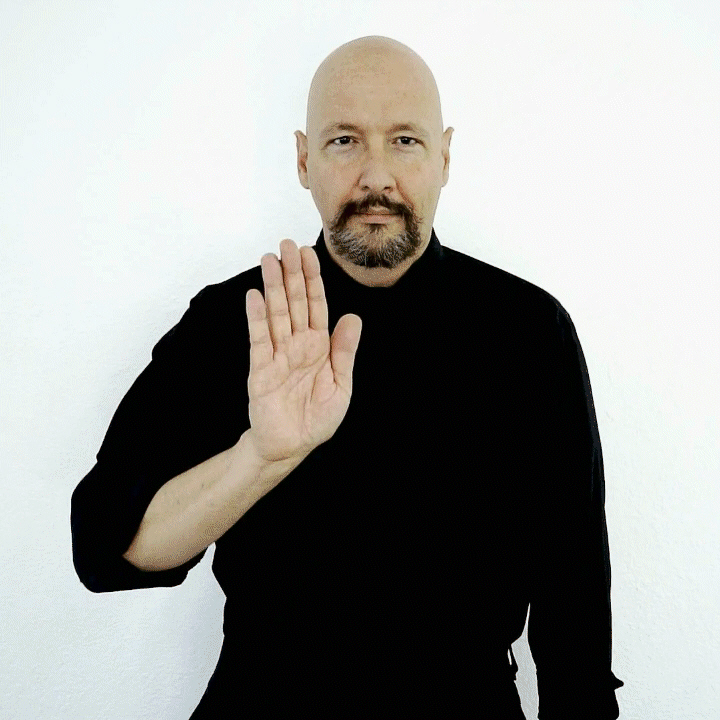
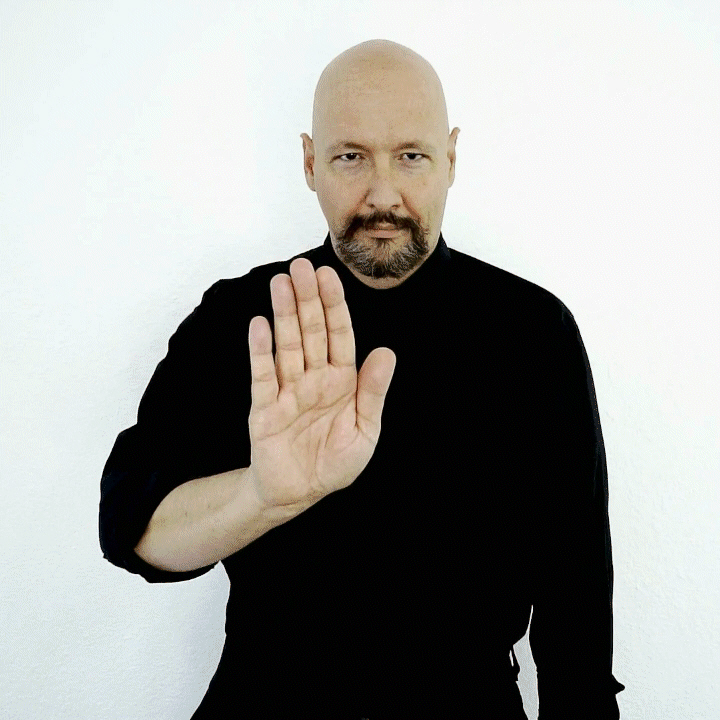
If I point an open palm toward you it tends to mean "yours."
If someone points an open palm toward a group of people clustered in an area (or toward a general location off to the side) the sign tends to mean that something belongs to that group (or the recently mentioned group).
If you use a sweeping movement with an open palm it tends to mean "belongs to each of those people." It indicates that more than one person possesses something -- but it doesn't necessarily imply that the individuals are grouped or part of a category.
A single thrust of an open palm toward someone who isn't you and isn't me tends to mean: his, hers, their-singular, its, or belongs to that particular group.
The sweeping palm tends to mean more than one person possesses something.
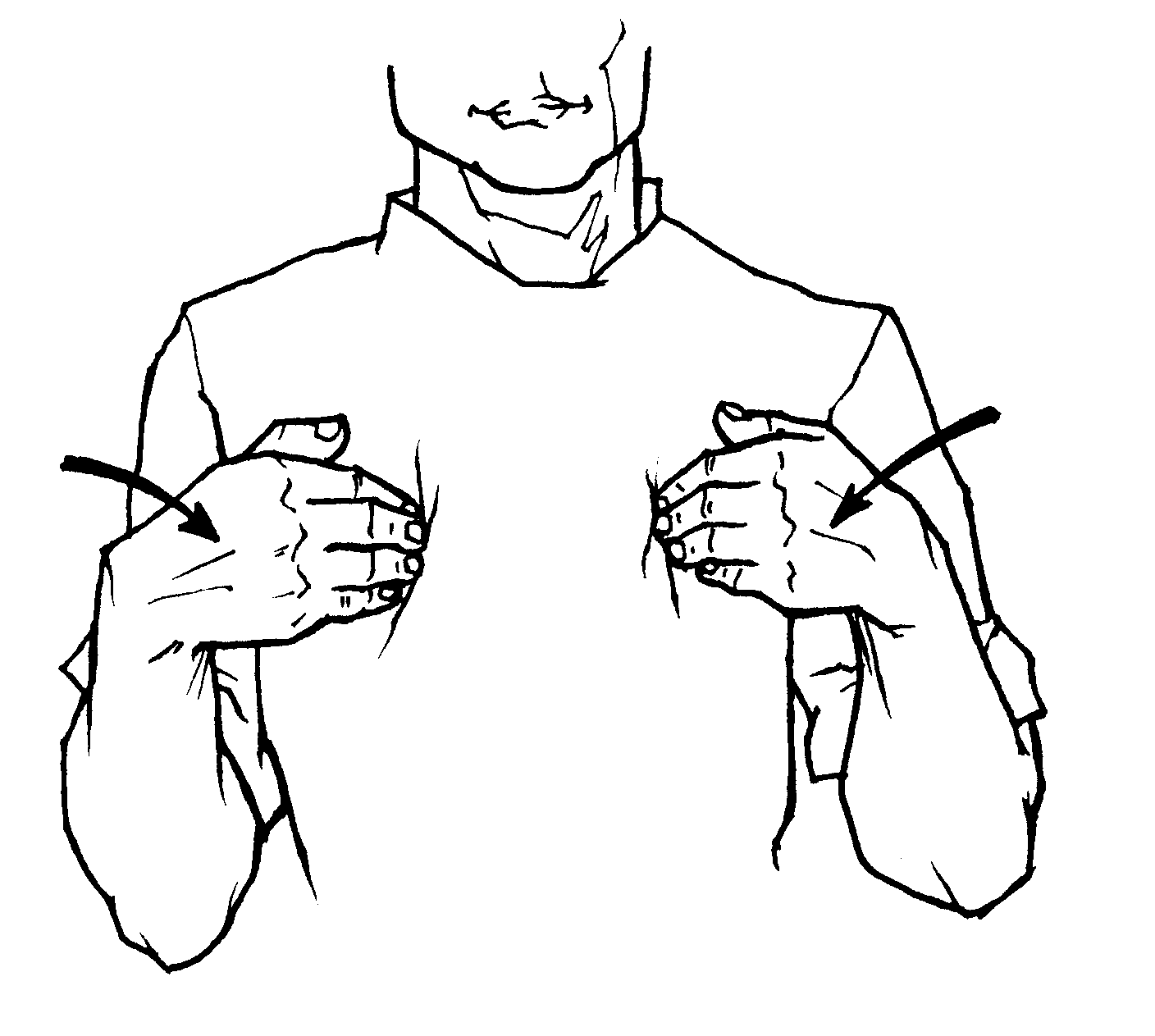
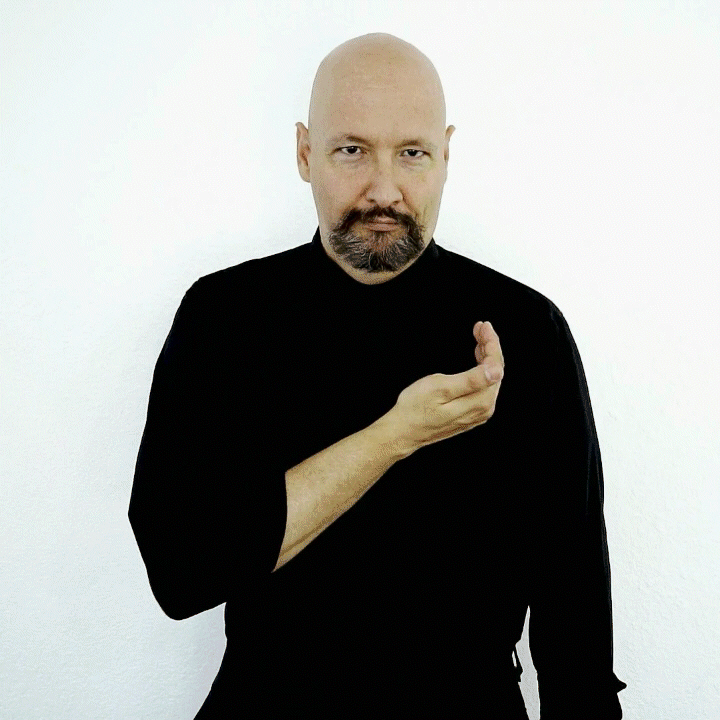
General possession can be indicated by doing the sign "HAVE."
To do this, place the fingertips of one or both bent hands on your chest. Your hands should be bent at the knuckles with the fingers straight.
Another way to indicate possession is the order in which you sign something. For example, if you sign: "MY MOM DOG DEAD" the order of the signing ("dog" immediately after "mother") would establish that the dog belonged to your mother.
Question: Can I use the "S" for possession in ASL? Like in "Sarah's daughter."
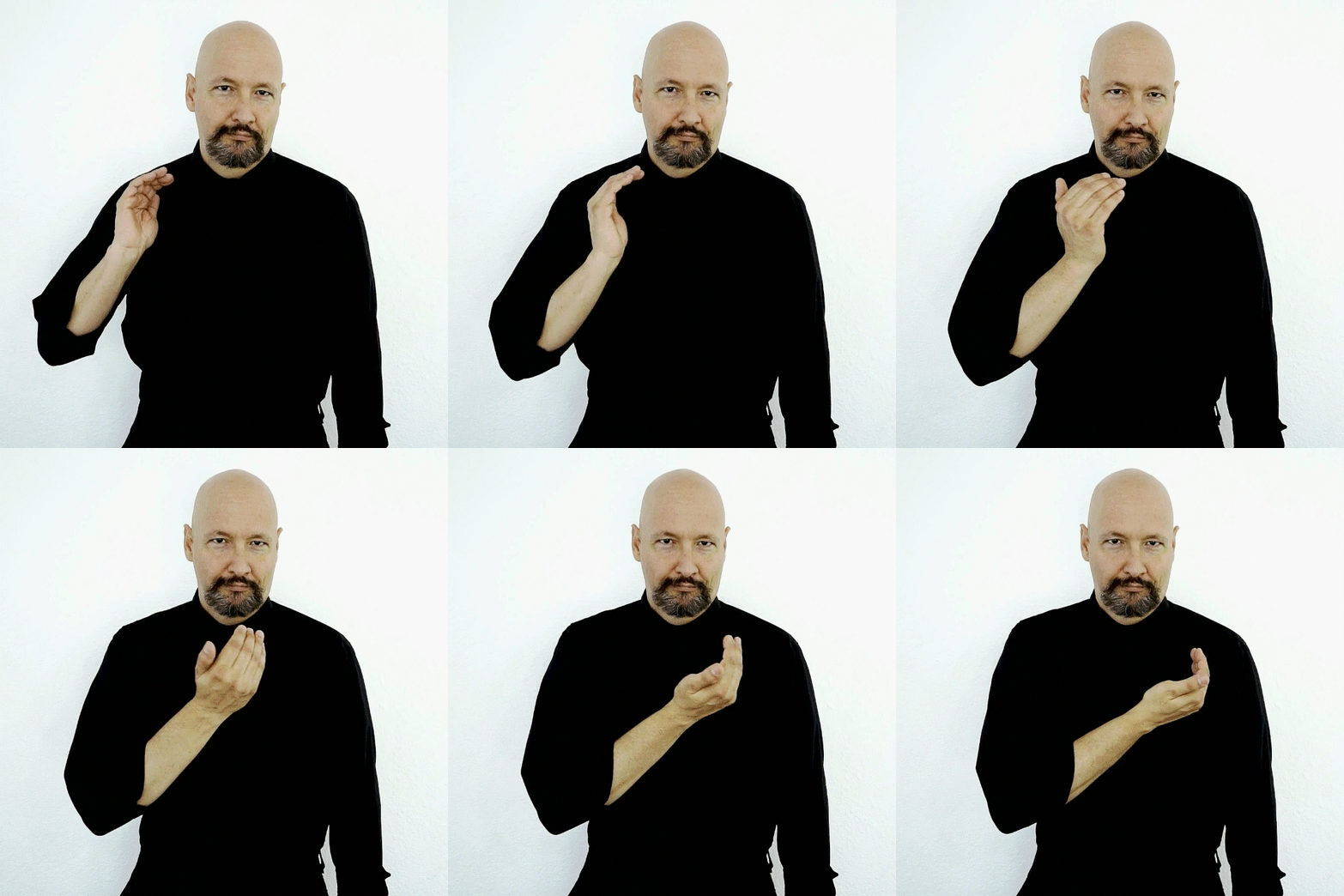
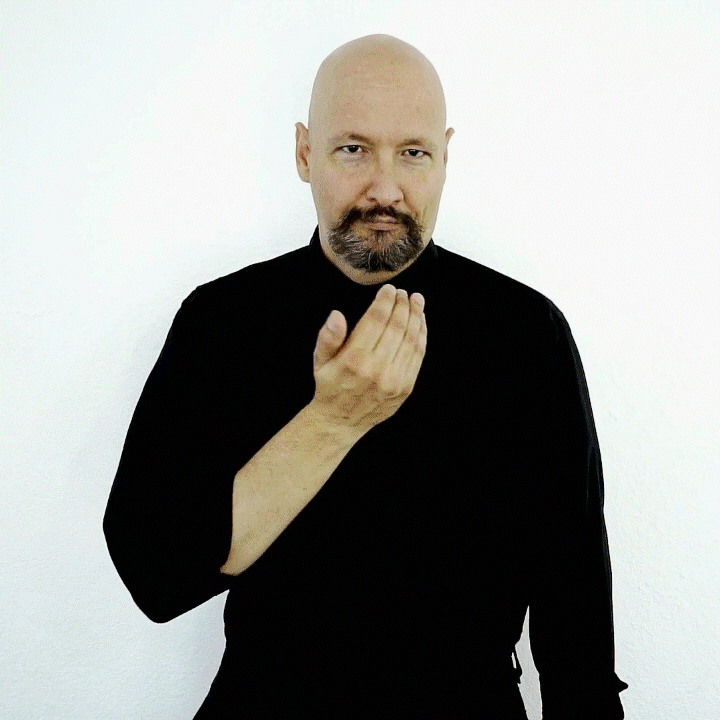
Response: It is not uncommon to see skilled signers use the "apostrophe-S" sign to indicate a possession in ASL. An "apostrophe-S" (also sometimes called a possessive "S") is done by adding a slight inward twist to an "S-hand." Think of someone holding onto a stick of beef jerky and then twisting their hand as they bite off a piece to chew on. (The "apostrophe-S" sign isn't done near the mouth -- it is done in the general fingerspelling area at the end of a fingerspelled word.
The "apostrophe-S" sign can be used at the end of fingerspelled words that correspond to fingerspelled words that end with: 's
There are those who may feel that the use of a "apostrophe-S" indicates that the signing being done is Pidgin Signed English (PSE -- or what is now sometimes referred to as "contact signing) or "Signing Exact English" (SEE). While those signing approaches do use the "apostrophe-S" sign that doesn't preclude ASL signers from also appropriately using it on occasion.A common example of appropriate use of a "apostrophe-S" in ASL is when someone is fingerspelling a title that includes and apostrophe before an "S". For example, suppose someone asks me what is the name of that delicious pizza place we went to the other night, I might respond by fingerspelling "A-N-T-O-N-I-O'S," using a possessive "S" at the end of Antonio's.
In ASL, to sign "Sarah's daughter," you could approach it various ways:
1. "S-A-R-A-H DAUGHTER." The order of the words would indicate the relationship.
2. "S-A-R-A-H? *HER DAUGHTER."
*[aiming the possessive palm toward Sarah or an absent referent area associated with Sarah]
3. S-A-R-A-H possessive-S DAUGHTER4. If Sarah is present and everyone knows who Sarah is -- you can just sign "HER DAUGHTER."
have / possess
HIS, HER, and ITS can all be indicated by the same sign:
my / mine / belongs to me
MINE (that's mine):
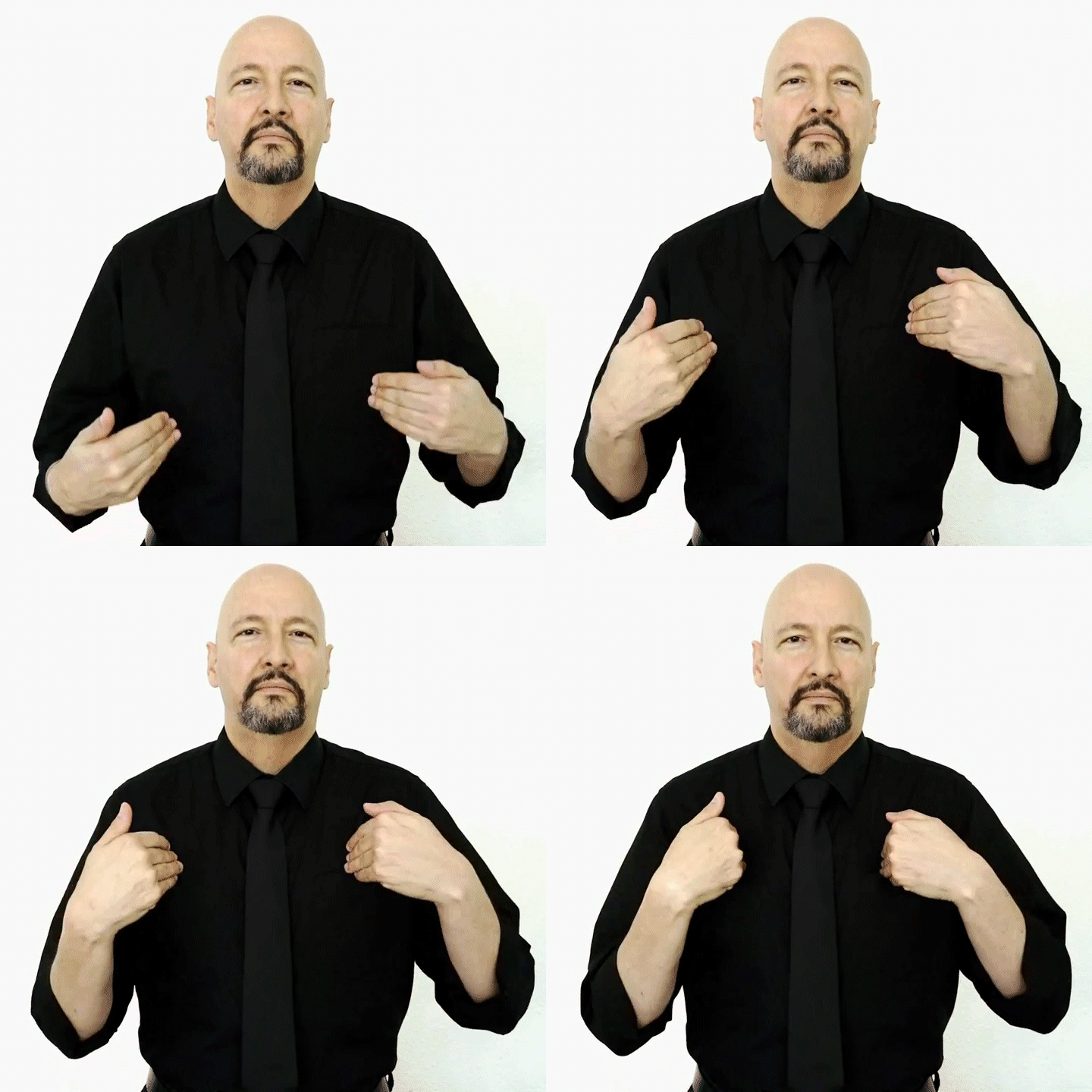
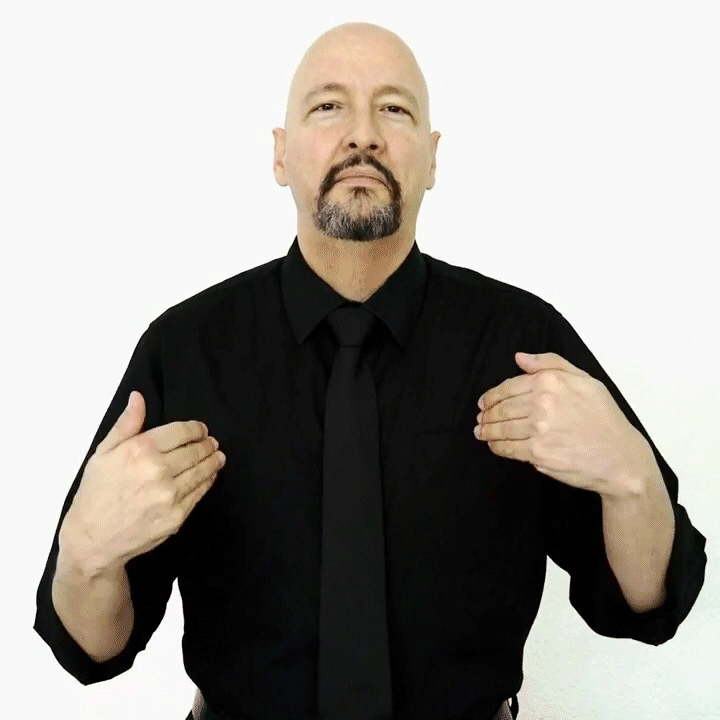
our / ours
If you do the 3rd person possessive sign once it simply means his / hers / their-singular / its
HIS / HERS / THEIR-singular / ITS / belongs to that person, organization, thing, or animal
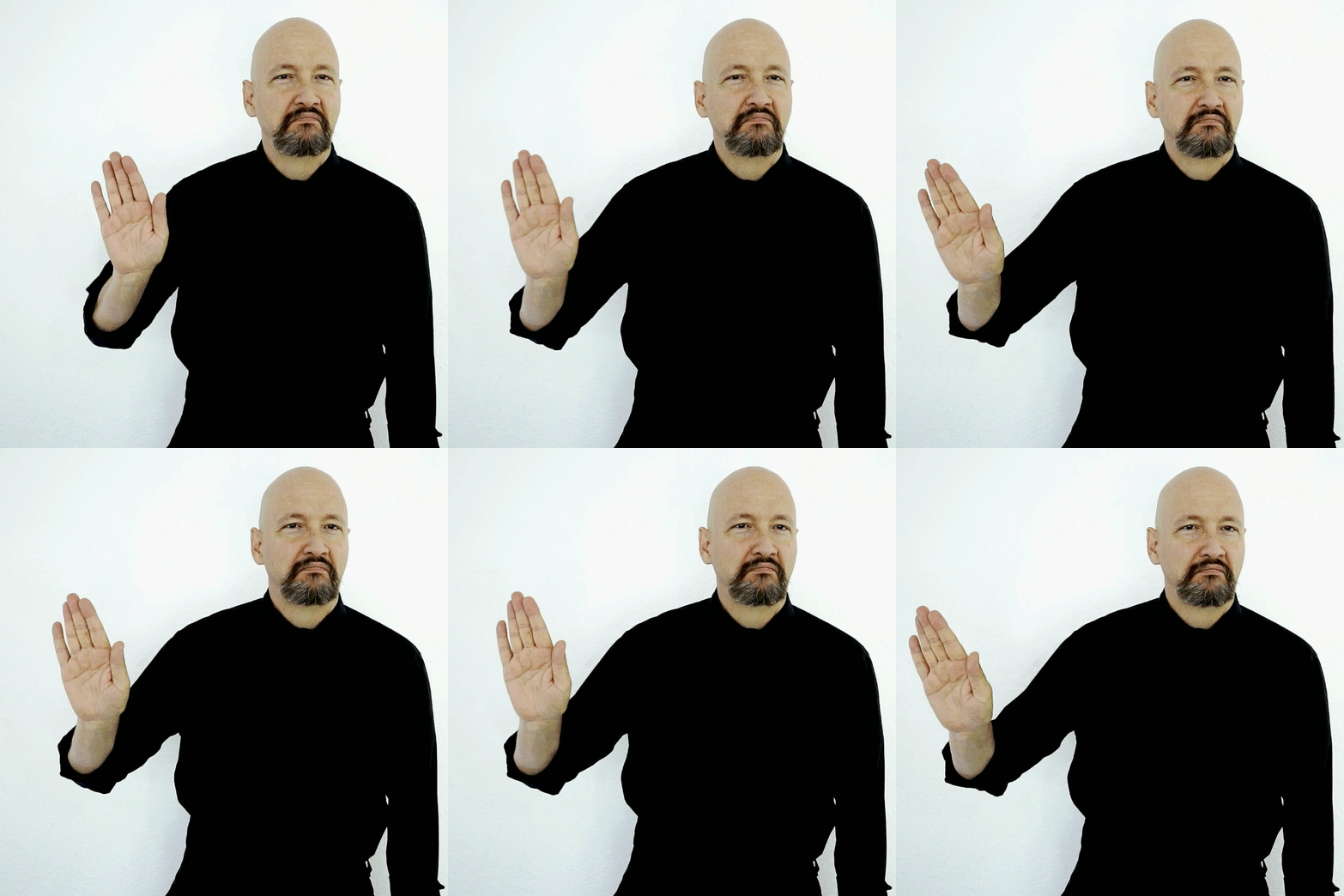
If you do the sign HIS/HERS/ITS using a double movement it can mean:
THEIR (singular) (their way/ his way/ her way/ way of being)
It can mean, "That is characteristic of that person, group, or thing."
your / yours / belongs to you
YOURS (plural sweeping movement): Belongs to all of you.
THEIRS (plural):
their / theirs / belonging to multiple individuals
APOSTROPHE "S" / 'S / possessive S / twist S:






Notes: