POLAND:
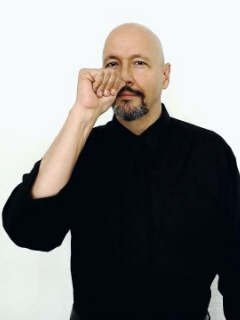
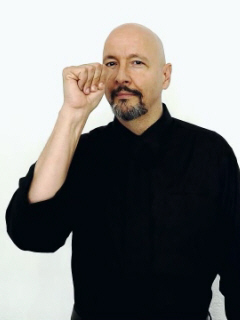
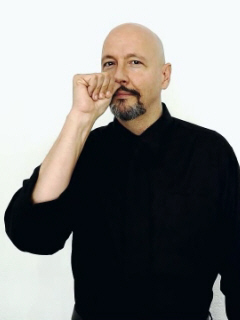
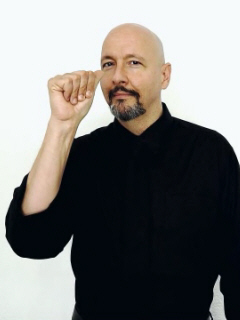
Memory aid: This sign is based on "the statue of the Pole best-known to
Americans, General Kosciuszko, who was a strategist and tactician advising
General Washington during the American Revolution, which depicts him as having a
turned-up nose. As is often the case, the sign for an individual became the sign
for the place that person is from." **(Bar-Tuzr)
POLAND-[indigenous-version]
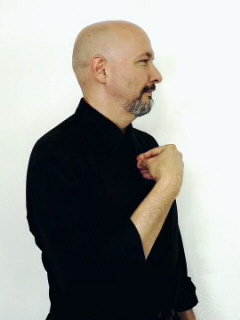
Memory aid: "The Poles' bravery in facing Russians and any other would-be invaders by ripping their shirts off, fighting to the last breath, fighting bare-handed, if necessary, against better equipped armies." *(Bar-Tuzr)
Note: That handshape is a flattened "O". If you search around online the overwhelming tendency of those sign languages that do this sign as a movement across the chest do so moving from the non-dominant side to the dominant side. Additionally the handshape for most of the examples was a flattened "O." Some signed languages (Spanish, Czech, Portuguese) use an "A" handshape, which, to me, seems much more clear. You may see other handshapes (such as a "bent-hand") but I recommend that if you are signing "ASL" you go with the traditional "ASL" sign ("A"-hand off the nose) or use the flattened-O version below after mentioning that it is the "indigenous" sign -- which is to say "the sign used by Deaf Poles (Polish people). Indigenous means: "Originating or occurring naturally in a particular place; native" -- according to Google.
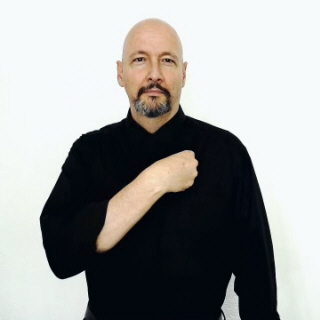

POLAND-[indigenous-version]-[side-view]
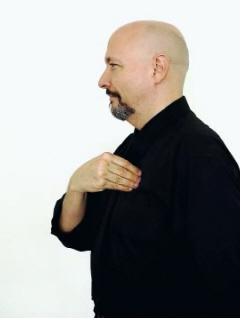
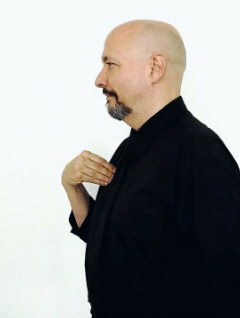
POLAND-[indigenous-version]-[side-view]
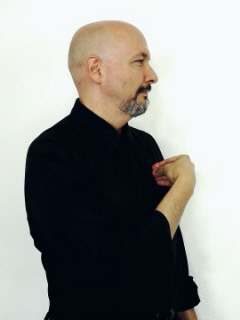
Notes:
* "The origin of the American sign is the statue of the Pole best-known to
Americans, General Kosciuszko, who was a strategist and tactician advising
General Washington during the American Revolution, which depicts him as having a
turned-up nose. As is often the case, the sign for an individual became the sign
for the place that person is from." (Bar-Tuzr)
** "The Poles' bravery in facing Russians and any other would-be invaders by
ripping their shirts off, fighting to the last breath, fighting bare-handed, if
necessary, against better equipped armies." (Bar-Tuzr)
Reference:
Bar-Tuzr, David (n.d.). "Indigenous signs for countries in Eastern Europe." The
Interpreter's Friend.
Retrieved October 06, 2016, from http://webcache.googleusercontent.com/search?q=cache:XWaan6n0LsIJ:theinterpretersfriend.org/indj/cntry/easterneurope.html
Annotation: David Bar-Tuzr used the following sources:
1. Signs around the world: Countries [Videotape]. Burtonsville, MD: Sign Media.
2. Sandager, O. K. (1986). Sign languages around the world, North Hollywood,
California: OK Publ.
Notes: