It was historically common for Deaf children to be punished for signing by being
forced to wear "mittens."
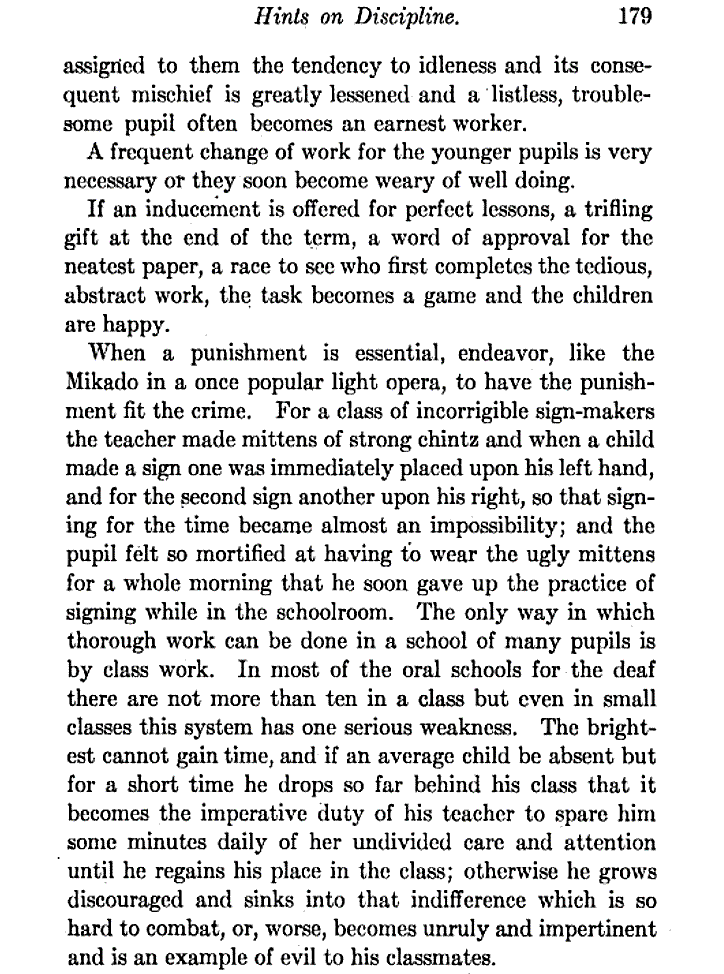
"For a class of incorrigible sign-makers the teacher made mittens of strong
chintz and when a child made a sign one was immediately placed upon his left
hand, and for the second sign upon his right, so that signing for the time
became almost an impossibility; and the pupil felt so mortified at having to
wear the ugly mittens for a whole morning that he soon gave up the practice of
signing while in the schoolroom." (Stone, 1910)
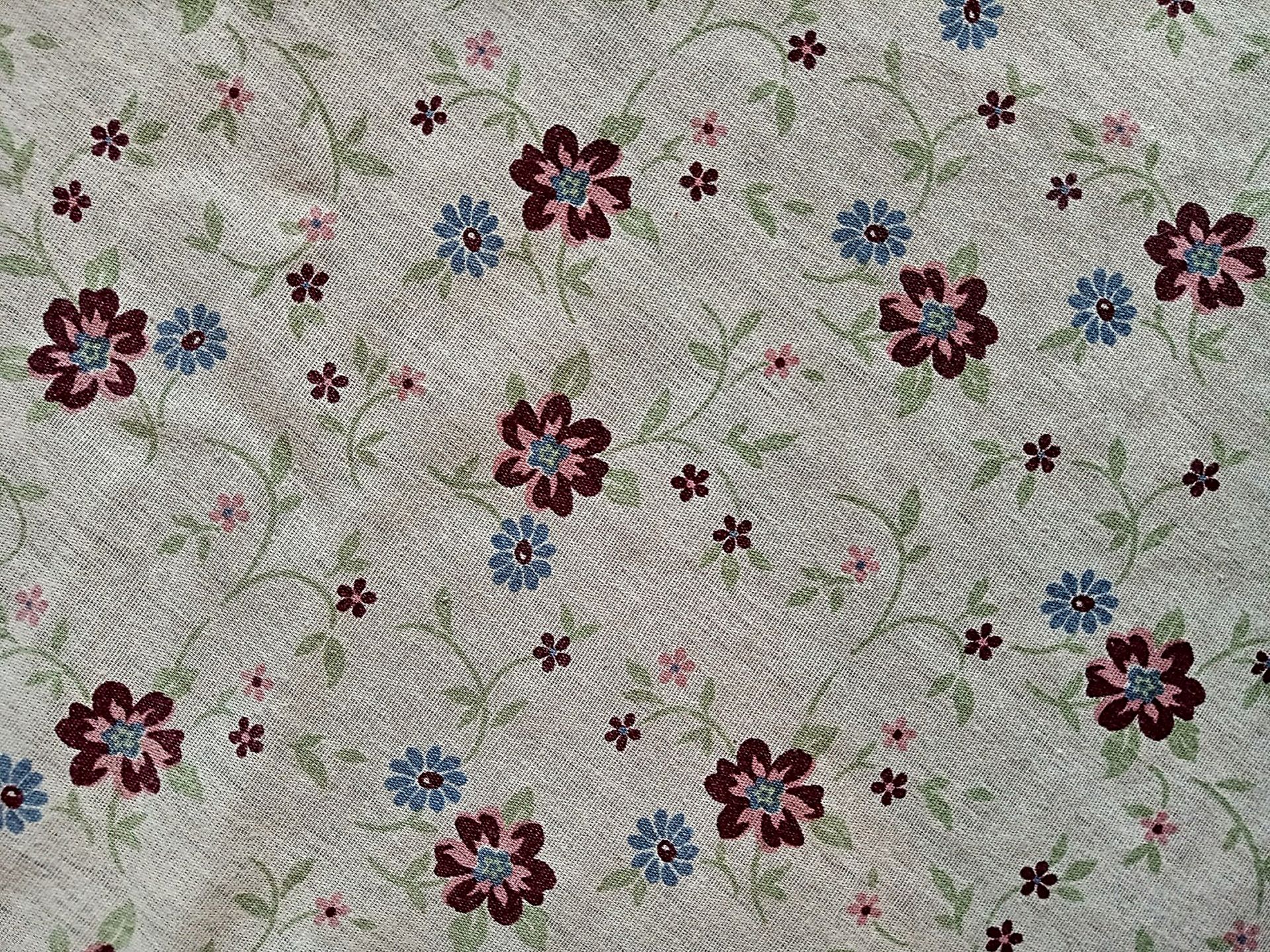
Chintz is a "printed multicoloured cotton fabric with a glazed finish, used for
curtains and upholstery." It originated in the
"early 17th century (as chints, plural of chint, denoting a stained or painted calico cloth imported from India): from Hindi chīṃṭ ‘spattering, stain'." (Source: Lexico.com/chintz)
Reference:
Stone, Elizabeth (March, 1910) "Hints on Discipline," American Annals of the
Deaf, pp. 177-182 (6 pages), Published by: Gallaudet University Press,
(Retrieved 1/17/2020, JSTOR:
https://www.jstor.org/stable/44463675?seq=3#metadata_info_tab_contents).
Notes: