Students occasionally ask me how to show the difference between certain
fingerspelled letters and signed numbers.
Plus once in a while the "fingertwister" (or sometimes called a
fingerfumbler or finger-fumbler) (the signed equivalent of a
tongue-twister) "w6v29f1d" gets posted as a challenge on ASL boards to see if
the participants can do it in under 5 seconds. With some practice most
people should be able to get it down to under five seconds. It helps to think of
it as a word instead of individual letters and numbers.
Here's an "animated gif" version of that fingertwister at a somewhat slower pace
showing the key handshape of each letter or number:
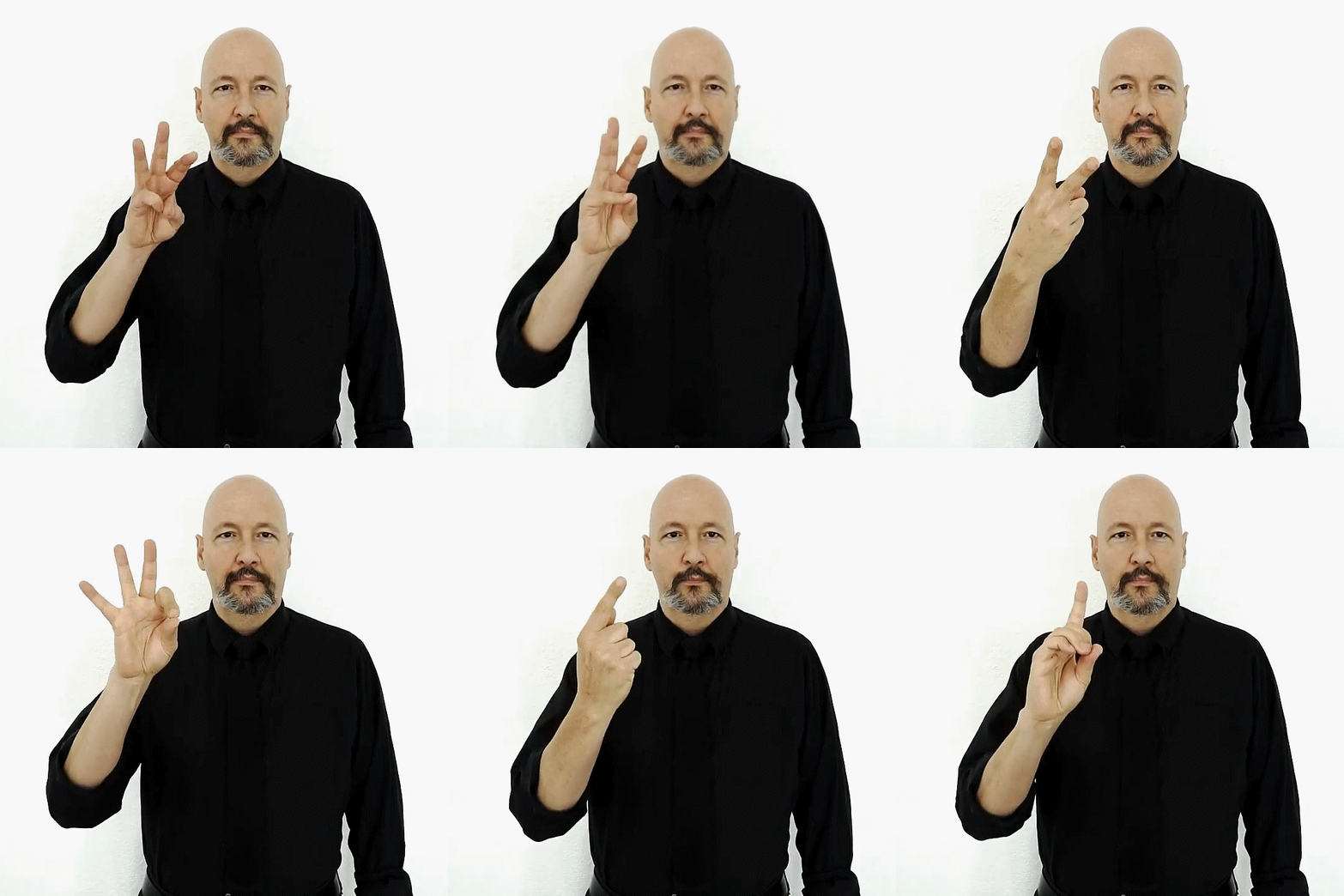
A few quick pointers:
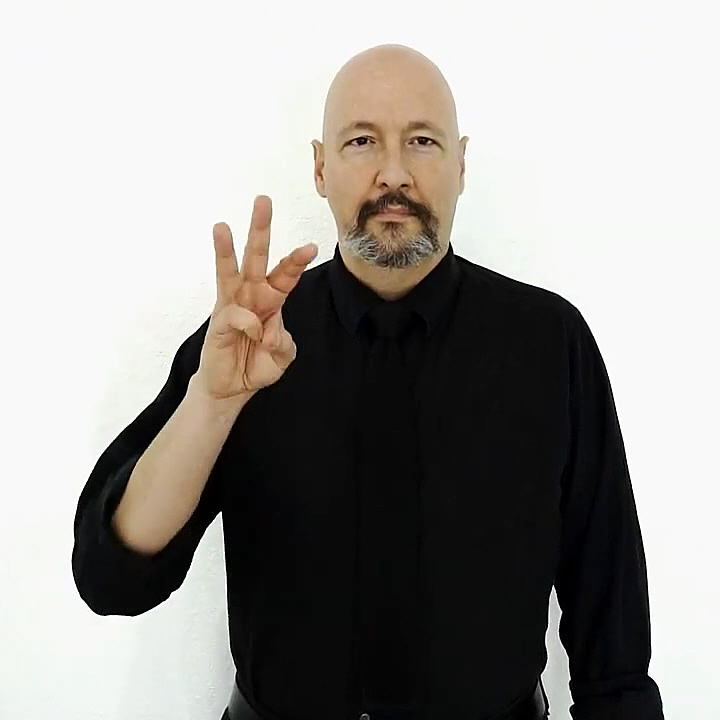
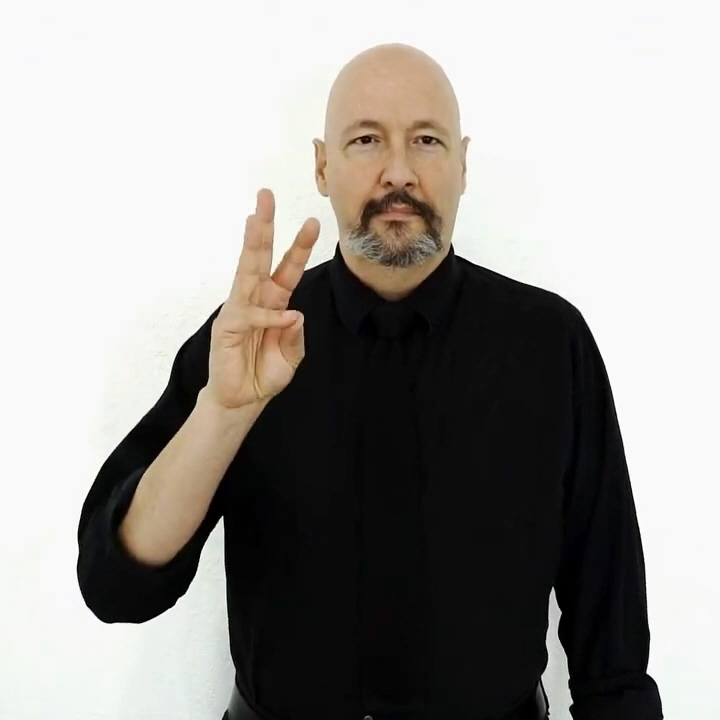
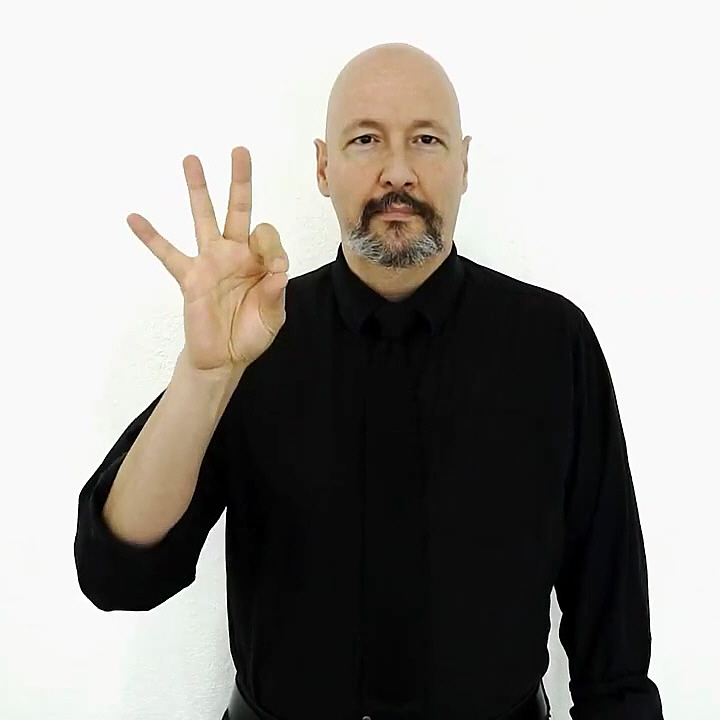
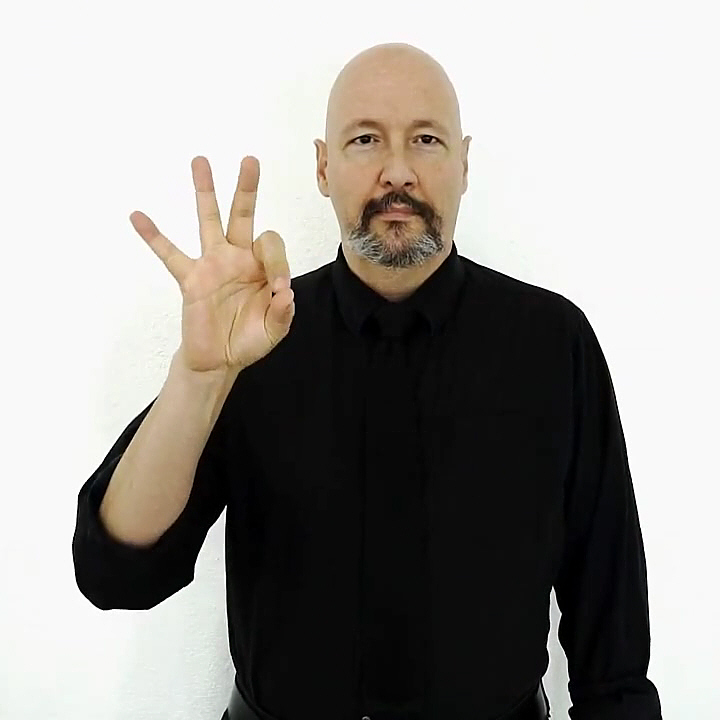
Even though I'm choosing to show a difference between the W and the 6 as well as
a difference between the F and the 9 -- in real life (everyday signing) the
fingerspelled W often looks like an ASL 6 and vice versa. The same for the F and
the 9.
In this particular fingertwister I am choosing to tap the 6 and the 9. I'm
doing this because a string of numbers and letters is a low-context situation.
The number 6 doesn't need to be tapped in a high-context situation. By
high-context I mean a situation in which it is obvious that you are signing a
number and not a letter. For example:
Person A: how-MANY?
Person B: SIX-[single tap version]
If your local teacher wants you to do your numbers and letters a certain way --
by all means sign it how your teacher wants it and get the grade you want.
THEN go out into the real world and note that Deaf sign 6 and 9 a variety of
ways with minor differences in the exact position of the fingers and thumb.
See: coarticulation
See: lexicalized
fingerspelling (lexicalization)
W:
6:
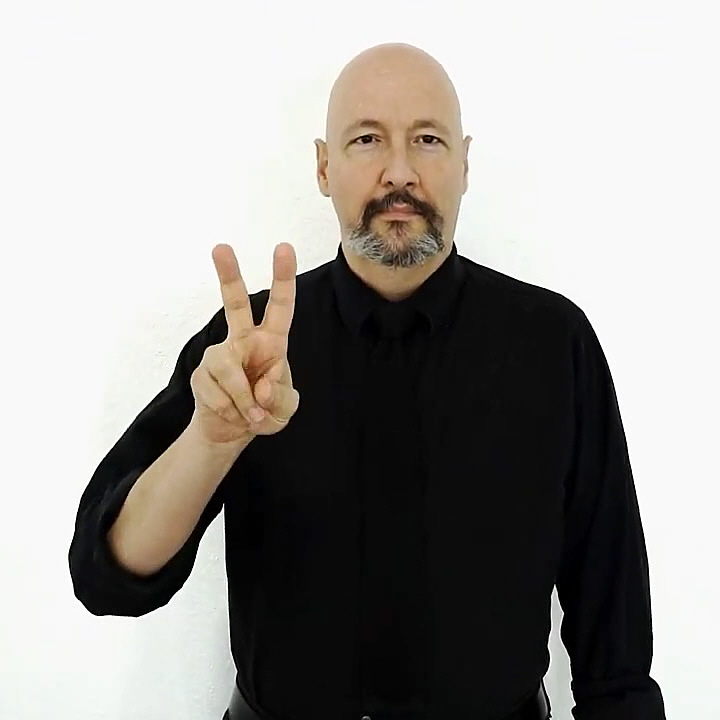

Notes and discussion:
Question:
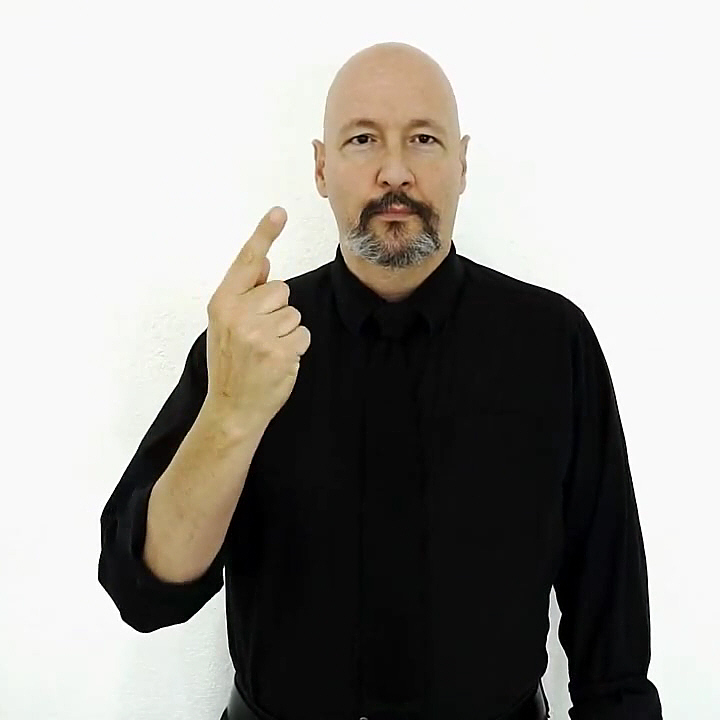
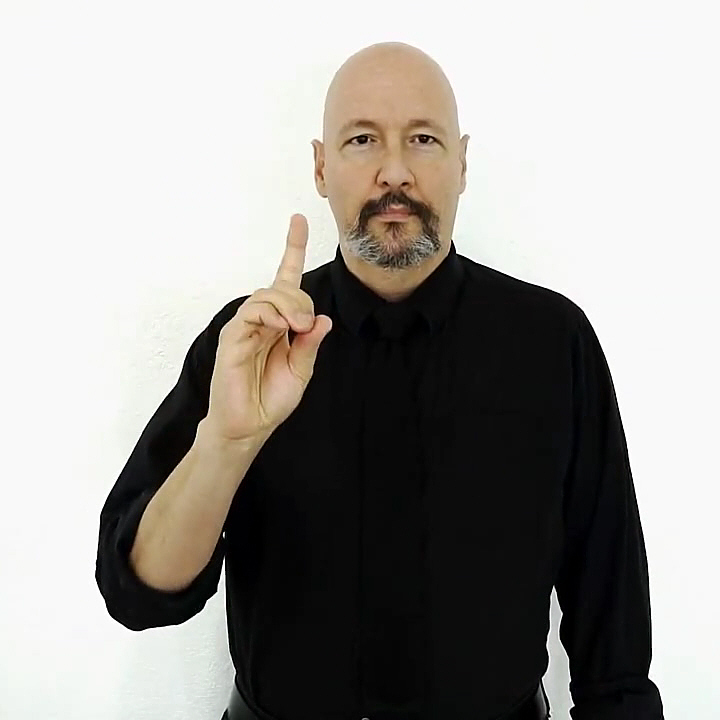
Is there a particular reason why 6 and 9 are tapped but 2 and 1 are twisted to
palm in?
Response:
Moving the pinkie or the index finger a half inch takes less effort than
twisting the whole hand.
SIX and NINE (in ASL) are "tappable." By that I mean they can be tapped --
specifically, the pinkie and the index finger are able to tap the thumb.
The digits ONE and TWO are formed in such a way as to not allow for convenient
tapping. (Or in other words they are not tappable.)
Also, the citation (main or "dictionary") version of 1 through 5 when
signed in isolation (as well as low / ambiguous contexts) is "palm back."
Notes: